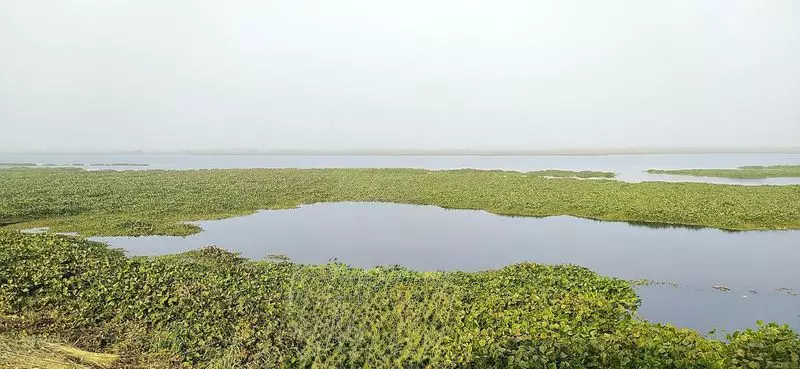
Climate Change and Pollution Severely Impact Migratory Bird Arrival at Harike Wetland
The Harike Wetland, a crucial ecological site located in Amritsar, Punjab, is experiencing a troubling decline in the arrival of migratory birds this season. This significant drop is primarily attributed to the dual threats of climate change and escalating pollution levels, which are disrupting the natural habitats and migratory patterns of various avian species.
Environmental Factors Driving the Decline
Experts and local conservationists have pointed to several key environmental factors contributing to this alarming trend. Climate change has led to unpredictable weather patterns, including altered rainfall and temperature fluctuations, which affect the wetland's water levels and food availability for birds. Concurrently, pollution from industrial discharge, agricultural runoff, and urban waste has degraded the water quality, making the habitat less hospitable for migratory species.
Impact on Biodiversity and Local Ecology
The reduced arrival of migratory birds at Harike Wetland poses a serious threat to the region's biodiversity. These birds play a vital role in the ecosystem by aiding in seed dispersal, controlling insect populations, and maintaining ecological balance. Their decline could lead to cascading effects, including the loss of plant species and an increase in pest outbreaks, ultimately harming the local environment and agricultural practices.

Conservation Efforts and Future Outlook
In response to this crisis, conservation groups and government agencies are ramping up efforts to mitigate the impacts. Initiatives include enhanced monitoring of water quality, stricter regulations on pollution sources, and habitat restoration projects. However, the long-term success of these measures depends on addressing the root causes, such as global climate change and sustainable development practices. Without urgent action, the Harike Wetland risks losing its status as a key stopover for migratory birds, with irreversible consequences for the ecosystem.
This situation underscores the broader challenges faced by wetlands across India and the world, highlighting the need for integrated environmental policies and community involvement to protect these vital natural resources.