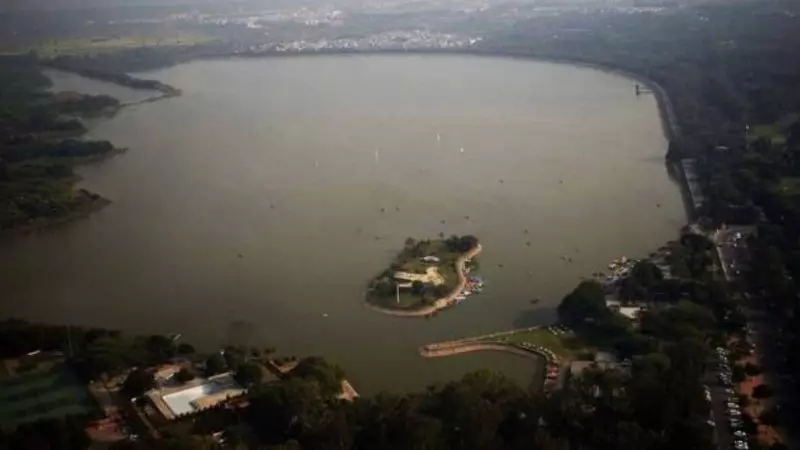
CJI Raises Alarm Over Critical State of Chandigarh's Sukhna Lake
The Chief Justice of India (CJI) has issued a stark warning regarding the deteriorating condition of Sukhna Lake in Chandigarh, describing it as being completely on the verge of destruction. This statement came during a recent legal proceeding, where the CJI expressed profound concern over the environmental crisis unfolding at one of the region's most iconic water bodies.
Severe Drying and Environmental Impact
Sukhna Lake, a man-made reservoir constructed in 1958, has been facing severe drying trends in recent years, exacerbated by factors such as reduced rainfall, siltation, and increasing urban pressures. The CJI's remarks highlight the urgent need for intervention to prevent irreversible damage to this vital ecosystem. The lake not only serves as a crucial water source but also supports local biodiversity and provides recreational space for residents and tourists alike.
Legal and Conservation Implications
The CJI's comments underscore the legal dimensions of environmental protection, emphasizing that the preservation of natural resources like Sukhna Lake is a matter of public interest and constitutional duty. Authorities in Chandigarh and surrounding areas are now under scrutiny to implement effective conservation measures. This includes addressing issues like water management, pollution control, and sustainable development practices to mitigate further degradation.

Broader Context and Public Response
The plight of Sukhna Lake reflects a larger pattern of water scarcity and environmental challenges across India, prompting calls for enhanced regulatory frameworks and community involvement in conservation efforts. Public awareness campaigns and stakeholder collaborations are essential to revive the lake and ensure its long-term sustainability. The CJI's intervention serves as a catalyst for renewed focus on protecting such critical natural assets from the brink of collapse.