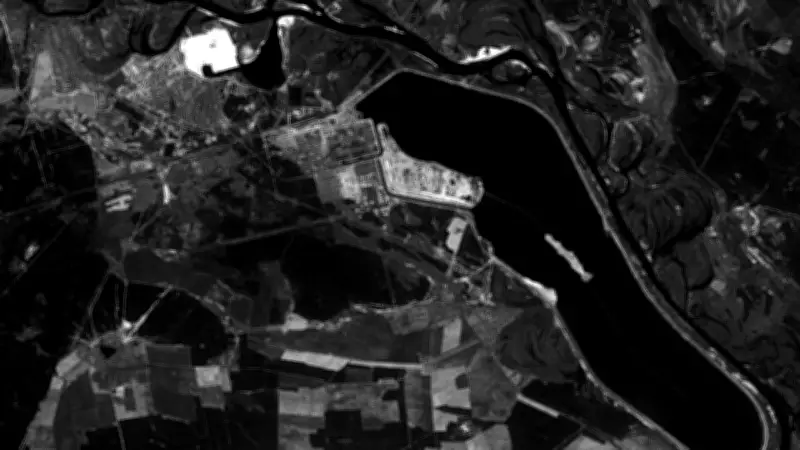
The Chornobyl Disaster: A Catastrophic Nuclear Accident and Its Enduring Legacy
In April 1986, a routine safety test at a nuclear power plant in the Soviet Union spiraled into one of the most devastating disasters in human history. The Chornobyl catastrophe was not merely an engineering failure; it was a complex interplay of human error, flawed reactor design, and critical decision-making lapses. This event has left an indelible mark on global consciousness, serving as a stark reminder of the perils inherent in complex technological systems when safety measures are neglected.
What Was the Chornobyl Disaster?
The Chornobyl accident unfolded on April 26, 1986, at the Chornobyl Nuclear Power Plant in Ukraine. During a safety test, reactor number four experienced a sudden and uncontrollable power surge, resulting in explosions and a massive fire. This incident released vast quantities of radioactive materials into the atmosphere, earning it the classification of a level 7 nuclear accident by the International Atomic Energy Agency—the most severe category possible. The disaster stands as one of the worst nuclear accidents ever recorded, with repercussions that extended far beyond the immediate vicinity.
What Went Wrong During the Test?
The causes of the Chornobyl disaster are multifaceted, rooted in both design deficiencies and operational mistakes. The reactor type utilized at the facility had inherent safety flaws, including instability at low power levels. During the test, critical safety devices were deliberately switched off to facilitate experiments, leading to an uncontrollable power increase that triggered the explosion. Compounding this, inadequate safety protocols and insufficient operator training exacerbated the situation, highlighting systemic failures in risk management.

Immediate Impact of the Explosion
The explosion ignited a fire that raged for several days, continuously releasing radioactive materials into the atmosphere. According to the International Atomic Energy Agency, two plant workers perished immediately, and at least 28 emergency responders died within weeks from acute radiation syndrome due to intense exposure. Firefighters and emergency personnel faced extremely high radiation levels while attempting to control the blaze. The nearby city of Pripyat was evacuated, but delays meant residents were exposed to additional radiation. International attention was only drawn after radioactive contaminants were detected as far away as Sweden, underscoring the widespread nature of the contamination.
Long-Term Health and Environmental Effects
The consequences of the Chornobyl disaster extended far beyond the initial explosion. The environmental impact was profound, with radioactive materials contaminating large areas. In the ensuing years, thousands of thyroid cancer cases, particularly among children exposed to radioactive iodine, have been reported. The World Health Organization continues to monitor these health effects. The affected region has been rendered uninhabitable, forming the Chornobyl Exclusion Zone—a stark testament to the lasting damage.
Why Did the Disaster Become So Severe?
The severity of the Chornobyl disaster was amplified by a delay in recognizing its gravity and a failure to disseminate information to the public and international community. This lack of transparency hindered evacuation efforts and emergency responses, worsening the impact on human health and the environment. Additionally, the reactor's design lacked proper containment structures, allowing radioactive materials to escape freely into the atmosphere, further escalating the crisis.
Lessons Learned from Chornobyl
The Chornobyl disaster has profoundly influenced nuclear safety standards worldwide. Governments and organizations have since implemented stricter regulations, improved reactor designs, and enhanced emergency response systems. It has underscored the critical importance of transparency and effective communication during disasters, demonstrating that without proper information, minor errors can escalate into catastrophic events.

Why Chornobyl Still Matters Today
Today, the Chornobyl disaster remains one of the most extensively studied industrial accidents globally. It serves as a cautionary tale about the dangers of nuclear power when safety is not prioritized. However, it has also driven advancements in modern nuclear technology, leading to safer and more regulated practices. The disaster continues to shape discussions on environmental protection, safety protocols, and energy policy, ensuring its relevance in contemporary discourse.