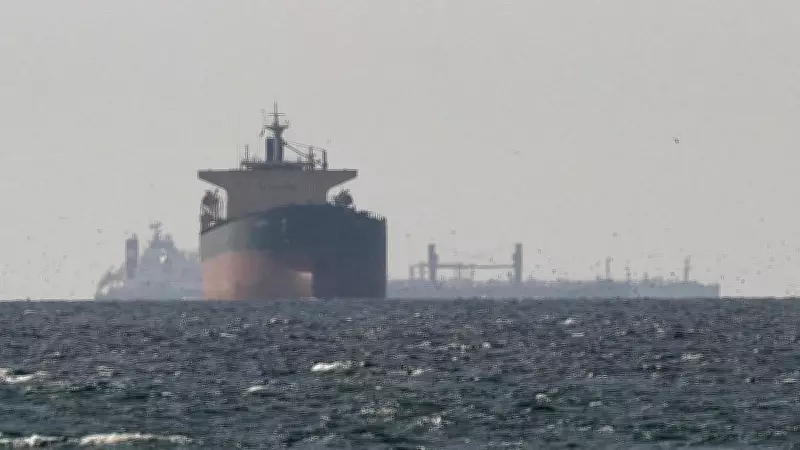
Chinese Cargo Ships Defy Exit from Strait of Hormuz Amid Regional Conflict
In a significant development highlighting the escalating tensions in West Asia, two Chinese-owned cargo vessels have opted to remain anchored in the Gulf, despite explicit guarantees from Iran for their safe passage through the strategically vital Strait of Hormuz. The Hong Kong-flagged ships, identified as the CSCL Indian Ocean and CSCL Arctic Ocean, have been effectively trapped in the region since the outbreak of hostilities between the United States, Israel, and Iran on February 28, 2026.
Iran's Assurance Fails to Prompt Movement
Iranian authorities have publicly pledged to ensure the secure transit of commercial shipping through the Strait of Hormuz, a critical chokepoint for global oil and trade flows. However, this assurance has not been sufficient to convince the operators of the Chinese vessels to attempt an exit. The decision to halt any departure efforts underscores the profound apprehension and risk assessment prevailing among international shipping companies operating in the area.
The ongoing conflict, which began in late February, has created a highly volatile maritime environment. Key factors contributing to the ships' immobility include:

- Persistent threats of military engagements and potential blockades in the Strait.
- Concerns over collateral damage or accidental targeting amid the fog of war.
- Operational uncertainties and insurance liabilities for vessel owners and crews.
Implications for Global Trade and Diplomacy
This standoff carries substantial implications for international trade and diplomatic relations. The Strait of Hormuz is a linchpin for the global energy supply, with approximately one-fifth of the world's oil passing through its narrow waters. The reluctance of Chinese-flagged ships to navigate this route, even with Iranian safe passage promises, signals a broader crisis of confidence in regional security assurances.
From a geopolitical perspective, China's cautious stance reflects its complex balancing act in West Asia. As a major trading partner with both Iran and other nations in the conflict, Beijing is likely weighing the risks of maritime operations against its economic and strategic interests. The situation also tests Iran's ability to enforce its guarantees and maintain open sea lanes amidst hostilities.
Industry analysts note that prolonged immobilization of commercial vessels could lead to:
- Disruptions in supply chains and increased shipping costs.
- Heightened insurance premiums for routes in the Gulf region.
- Potential diplomatic friction if the stalemate escalates.
As of March 27, 2026, there has been no official statement from Chinese authorities regarding the specific reasons for the ships' continued presence in the Gulf. The global community remains watchful, as the outcome of this maritime impasse may influence future navigation policies and conflict mitigation strategies in one of the world's most contentious waterways.