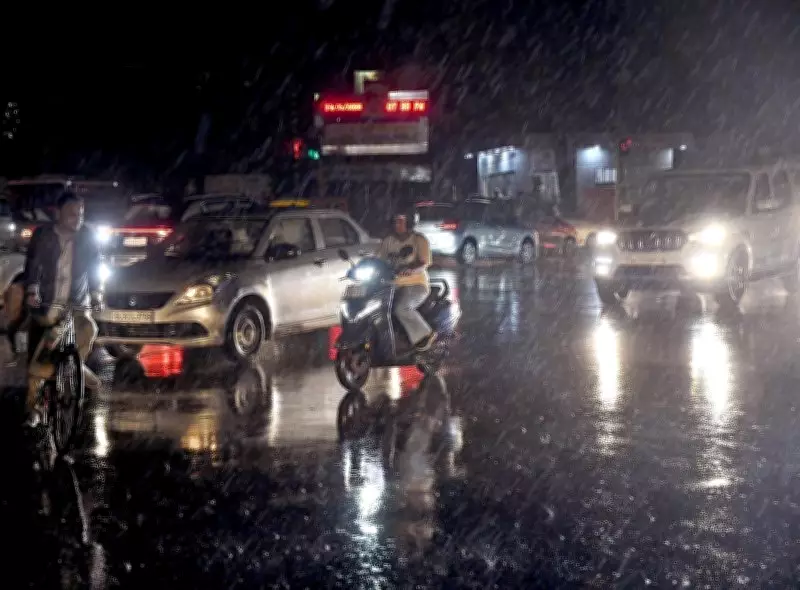
Chandigarh Battles Unprecedented Downpour as 38 mm Rainfall Sets New Record
The city of Chandigarh was drenched by a historic rainfall event, with meteorological data confirming a staggering 38 millimeters of precipitation recorded within a single 24-hour period. This deluge has shattered previous records for the region, highlighting an extreme weather phenomenon that has left residents and authorities grappling with significant disruptions.
Record-Breaking Rainfall Figures and Meteorological Context
According to official reports from the local weather department, the 38 mm rainfall measurement represents the highest single-day total for Chandigarh in recent years. This intense downpour far exceeded seasonal averages and typical precipitation patterns for the area, underscoring its exceptional nature. Meteorologists attribute this event to a combination of atmospheric conditions, including moisture-laden winds and low-pressure systems that converged over the region, creating ideal circumstances for heavy rainfall.
The rainfall was not only record-setting in terms of volume but also in its intensity, with most of the precipitation occurring over a concentrated few hours. This rapid accumulation overwhelmed the city's drainage infrastructure, leading to immediate and widespread consequences.

Immediate Impact on City Infrastructure and Daily Life
The torrential rains caused extensive waterlogging across key areas of Chandigarh, submerging roads, parks, and low-lying neighborhoods. Major thoroughfares and intersections were particularly affected, resulting in severe traffic snarls and delays for commuters. Public transportation services, including buses and auto-rickshaws, faced operational challenges, with many routes rendered impassable due to flooded streets.
Residential localities reported water entering homes and commercial establishments, prompting emergency responses from civic authorities. The Chandigarh Municipal Corporation deployed teams to pump out water and clear blocked drains, but the scale of the rainfall tested the limits of existing preparedness measures. Power outages were also reported in several sectors as a precautionary safety measure, adding to the inconvenience faced by citizens.
Response from Authorities and Long-Term Implications
Local government officials have acknowledged the severity of the situation, with the administration activating disaster management protocols to address the fallout. Relief efforts are focused on providing assistance to affected residents, ensuring the restoration of normalcy, and assessing damage to public property. The record rainfall has sparked discussions about urban planning and climate resilience, with calls for upgrading drainage systems to handle such extreme weather events in the future.
Experts warn that such incidents may become more frequent due to changing climate patterns, emphasizing the need for robust infrastructure and proactive measures. Residents are advised to stay updated with weather forecasts and take necessary precautions during heavy rains to ensure safety.
In summary, Chandigarh's experience with 38 mm of rainfall in a day serves as a stark reminder of the challenges posed by extreme weather, urging both immediate action and long-term strategic planning to mitigate similar events.