

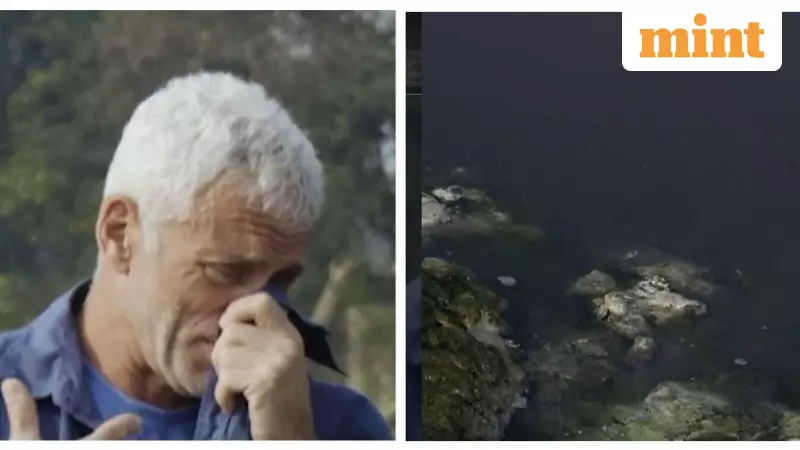
British Biologist Sounds Alarm Over Kanpur Tanneries Polluting Sacred Ganga River
Renowned British biologist and television presenter Jeremy Wade, famous for his show River Monsters, has ignited widespread concern by exposing the severe pollution caused by Kanpur's leather tanneries in the Ganga river. In a powerful video shared on social media, Wade highlighted the illegal dumping of industrial waste, describing the foul-smelling "black water" that poses grave risks to both the environment and public health.
Massive Scale of Toxic Waste Dumping
According to Wade's investigation, Kanpur's leather industry, valued at approximately $12 billion annually, is responsible for releasing over 50 million gallons of industrial waste into the Ganges every day. This waste includes hazardous substances such as:
- Chromium, which is linked to lung cancer and respiratory issues
- Lead, a heavy metal with severe neurological effects
- Arsenic, known for its toxicity and carcinogenic properties
Wade pointed out that none of this toxic effluent undergoes proper treatment before being discharged directly into the river. He noted that while some of the contaminated water is diverted into irrigation canals for farmland use, the majority flows unchecked into the Ganga.

Local Impact and Health Hazards
The biologist described the overwhelming stench of sewage from the industrial wastewater, stating that the odor is so potent it "hits the back of your throat" when standing nearby. Local residents have reported alarming health consequences from the polluted water supply.
A tea seller interviewed by Wade revealed that the pipe water in the area causes multiple health problems, including:
- Stomach upsets and digestive issues
- Vision impairment and eyesight damage
- Significant hair loss among the population
Studies confirm that chromium exposure alone can lead to serious conditions such as asthma, bronchitis, and skin ulcers, underscoring the urgent need for intervention.
Visual Evidence of Contamination
Wade's video documentation shows 6-foot-high heaps of leather waste littering Kanpur's streets, with toxic runoff making its way toward the river. In another segment, he conducted a simple water test using chemical indicators that change color in response to contaminants.
When testing Ganga water samples, the liquid turned light brown, indicating the presence of faecal coliform bacteria. Wade explained that this means the water is essentially contaminated with human waste, highlighting the dire state of pollution.
Community Voices and Environmental Consequences
Local residents expressed their frustration and concern about the ongoing pollution. One individual remarked, "On the one hand we worship the river and on the other hand we make it filthy." Another described the toxic discharge as a "cocktail of deadly chemicals" that increases daily, noting that while the pollution is visible and smellable near Kanpur, it often dissolves and becomes invisible downstream.
The video concludes with a sobering voiceover emphasizing that the massive daily dumping of industrial waste continues largely unnoticed, with most contaminants dissolving out of sight but remaining present in the ecosystem.
This exposure by Jeremy Wade has sparked crucial conversations about industrial accountability, environmental protection, and the preservation of India's sacred rivers, calling attention to the urgent need for stricter regulations and sustainable practices in the leather industry.






