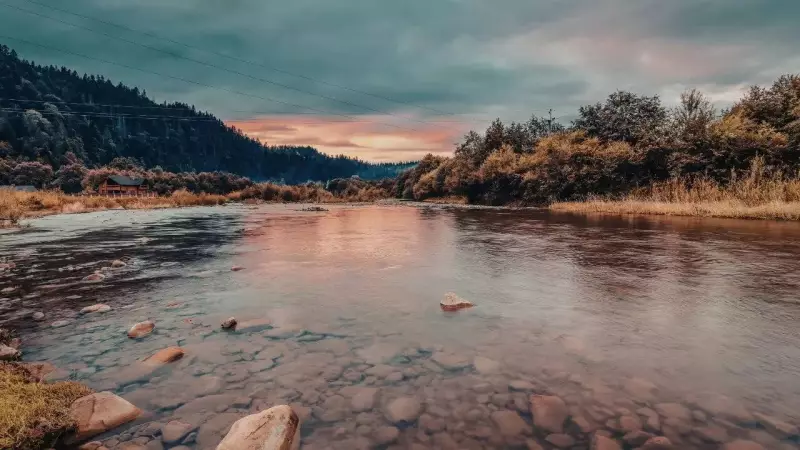
The Mighty Brahmaputra: More Than Just a River
The Brahmaputra River stands as one of the world's most powerful and breathtaking waterways. People often call it the "Sky River of the Himalayas" for good reason. This magnificent river begins its life high on the Tibet Plateau, near the snowy peaks of the Himalayan mountain range.
Why It Earns the Name "Sky River"
The Brahmaputra gets its poetic nickname from its incredible origin point. It starts at the Angsi Glacier in Tibet, where locals know it as the Yarlung Tsangpo River. Beginning at an altitude exceeding 5,000 meters, the river collects meltwater from glaciers and snow-fed streams flowing down from the Himalayas. With its source on what many call the "roof of the world," the river truly seems connected to the sky itself. This high-altitude birth gives it the fitting title of Sky River.
An Epic Journey Across Nations
The Brahmaputra travels through a complex network of regions and cultures. It first flows eastward across Tibet before making a dramatic turn around the eastern Himalayas. The river then enters India through Arunachal Pradesh, where people know it as the Siang or Dihang. As it moves into Assam, it grows into the massive Brahmaputra we recognize. Finally, it continues into Bangladesh, transforming into the Jamuna River. Throughout this remarkable journey, the river sustains countless communities along its banks.

Deep Cultural Roots and Significance
The Brahmaputra holds profound cultural meaning for the people living near its waters. Hindu mythology tells us the river is the son of Lord Brahma, which explains how it got its name. In Assam and surrounding regions, festivals, rituals, and daily life all revolve around this vital waterway. The river also plays a central role in local folk traditions, music, and stories passed down through generations.
Remarkable Physical Features
This river commands attention with its sheer size and strength. The Brahmaputra ranks among the world's wildest rivers, especially during monsoon season. Its enormous sediment load creates unique river islands like Majuli, one of the planet's largest river islands. The Brahmaputra maintains one of Asia's most dynamic and powerful river courses thanks to its strong, relentless flow.
A Thriving Ecosystem
The river's waters support an incredible diversity of life. Within the Brahmaputra river basin, you can find rare species including:
- The endangered Gangetic river dolphin
- The iconic one-horned rhinoceros
- Numerous migratory bird populations
The Brahmaputra's wetlands and flood plains create ideal conditions for a wide variety of plants and animals to flourish.
Challenges and Conservation Needs
Despite its importance, the Brahmaputra faces significant challenges today. Floods, erosion, and climate change create constant pressures. Human activities like dam construction add to these difficulties. These challenges affect both human settlements and wildlife habitats along the river. There is now an urgent need for sustainable river management and conservation efforts to protect this vital resource for future generations.
The Brahmaputra represents far more than just a natural resource. It serves as an integral part of history, religion, and the very rhythm of the land it nourishes. This Sky River continues to shape landscapes, communities, and cultures across multiple nations.