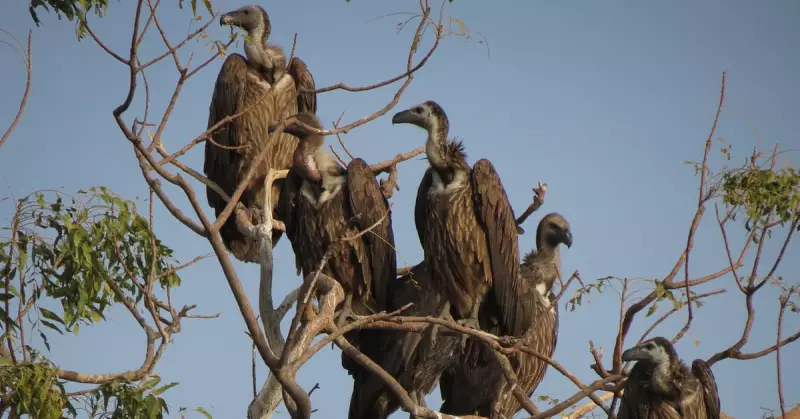
In a landmark move for wildlife conservation in India, the Bombay Natural History Society (BNHS) has announced plans to reintroduce two critically endangered vulture species into the wild in Assam. The ambitious project will see the release of Slender-billed vultures and White-rumped vultures, with the target set for the new year, specifically January 2026.
A Critical Step for Species Survival
The decision to reintroduce these birds marks a crucial phase in a long-term recovery programme. Both the Slender-billed vulture (Gyps tenuirostris) and the White-rumped vulture (Gyps bengalensis) have suffered catastrophic population declines across the Indian subcontinent, primarily due to the use of a veterinary drug called diclofenac. This drug, toxic to vultures, caused their numbers to plummet by over 99% in just a few decades, pushing them to the brink of extinction.
Scientists at BNHS have been working tirelessly on conservation breeding for years. The birds slated for release are part of a carefully managed captive breeding population, nurtured at facilities like the one in Rani, Assam. The success of this breeding programme has now paved the way for the next logical step: returning these majestic scavengers to their natural habitat.

The Assam Reintroduction Plan
The northeastern state of Assam has been chosen as the reintroduction site due to its historical significance as a vulture habitat and ongoing conservation efforts there. The release, planned for January 2026, will be a meticulously coordinated operation. It will involve pre-release conditioning of the birds, selection of a safe release site free from diclofenac contamination, and continuous post-release monitoring using satellite tags or radio transmitters.
This initiative is not just about releasing birds; it's about restoring a vital ecological function. Vultures are nature's most efficient clean-up crew, disposing of animal carcasses and preventing the spread of diseases like rabies and anthrax. Their absence has had severe environmental and public health consequences.
Broader Implications for Conservation
The BNHS-led reintroduction represents a beacon of hope for vulture conservation in India and globally. It underscores the importance of scientific intervention, captive breeding, and habitat security in pulling species back from extinction. The project's success will depend on continued enforcement of the ban on veterinary diclofenac, community engagement to ensure the birds' safety, and long-term ecological monitoring.
If successful, the Assam reintroduction could serve as a model for similar efforts across other parts of the birds' former range. It stands as a testament to the perseverance of conservationists and offers a chance to correct a grave ecological imbalance. The eyes of the global conservation community will be on Assam in early 2026, hoping to witness the triumphant return of these critically important birds to India's skies.