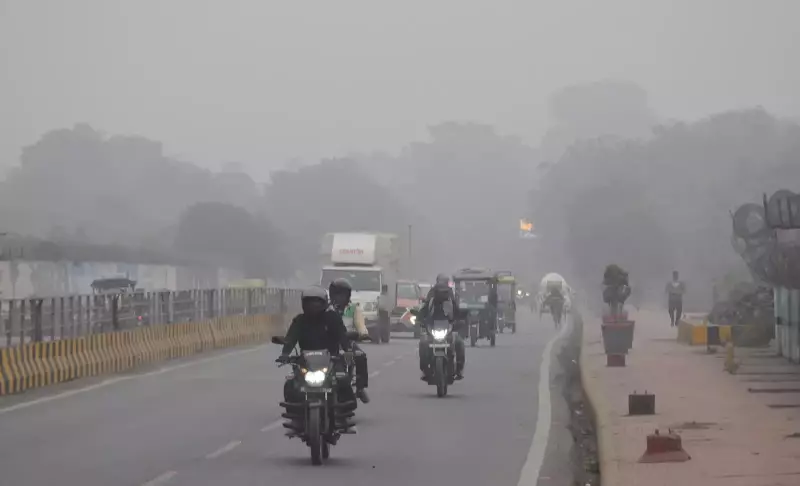
The state of Bihar continues to shiver under an intense and prolonged winter spell, with weather authorities issuing no signs of immediate respite. The India Meteorological Department's (IMD) office in Patna has officially extended its orange alert for cold day conditions and dense fog across the state until January 2. This extension comes as residents grapple with the harsh realities of a severe winter that has persisted for over a week.
Chilling Numbers: A State in the Grip of Cold
According to the latest IMD bulletin issued on Saturday, the capital city Patna recorded a maximum temperature of 14.8 degrees Celsius and a minimum of 12.1 degrees Celsius. The past 24 hours remained dry across Bihar, but this lack of precipitation only intensified the cold. The town of Chhapra officially registered a cold day, underscoring the widespread nature of the chill.
However, it is Gaya that has emerged as the epicentre of this cold wave's severity. The city registered the state's lowest minimum temperature at a biting 5.2 degrees Celsius. The situation was exacerbated by dense fog, which caused visibility to plummet to a mere 50 metres, severely disrupting daily life and transport.

IMD Forecast and Warnings: What Lies Ahead
The active orange alert specifically warns of cold day conditions on December 27 and 28. Furthermore, dense fog is predicted to affect isolated pockets in northern, south-western, and south-central districts, including parts of western and central Bihar. As the year draws to a close, the fog is expected to become more widespread.
The IMD forecast indicates that from December 30 to January 2, dense fog will gradually expand its coverage to envelop most districts of the state. This suggests that the new year celebrations for many in Bihar will be shrouded in a cold, foggy blanket.
The Meteorological Cause Behind the Prolonged Spell
Meteorologists have pinpointed the scientific reason for this extended period of cold. They attribute it to the influence of very fast-moving winds, known as the jet stream, which are currently blowing over northeast India. This jet stream, interacting with the prevailing atmospheric conditions, is acting like a lid or a cap.
This phenomenon is trapping the cold air close to the surface over the plains of Bihar, preventing it from dispersing. This 'lid' effect is the primary driver prolonging the severe winter conditions, leading to the persistent cold days and dense fog episodes across the region.