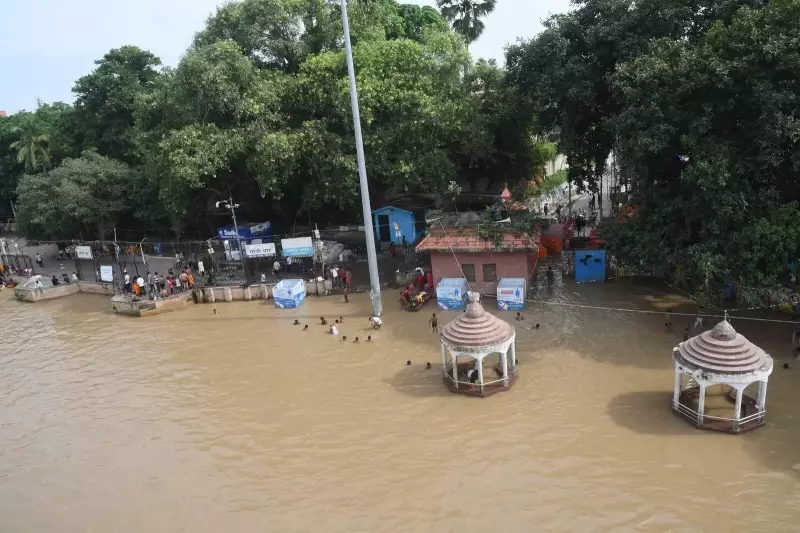
A recent household-level survey has quantified the severe devastation caused by the 2024 floods in North Bihar, revealing staggering financial losses and profound social distress. The report, released in Patna, found that 2,290 families across 134 wards in 21 panchayats spread over seven flood-affected districts suffered cumulative losses exceeding Rs 126 crore.
Magnitude of Financial and Asset Damage
The survey was conducted by Megh Pyne Abhiyan (MPA) with support from Tata Trusts and was jointly released by the Bihar State Disaster Management Authority's P N Rai, DMI director Debiprasad Mishra, and MPA trustee Eklavya Prasad. It found that individual household losses varied widely, ranging between Rs 1 lakh and Rs 5 lakh. The most significant damage was inflicted on two critical assets: land and housing.
Land damage alone accounted for Rs 55 crore of the total losses, underscoring the long-term agricultural and livelihood crisis triggered by the floods. Housing was the second major casualty, with losses amounting to Rs 42 crore. The data also highlighted a stark disparity: families residing outside protective embankments bore the brunt, suffering losses of around Rs 80 crore, compared to Rs 13 crore for those living within embankments.

Profound Social Distress and Coping Mechanisms
Beyond the financial figures, the report paints a grim picture of the human cost. The floods triggered a severe food security crisis, with about 91% of affected families forced to reduce their food intake. A majority, 75%, resorted to borrowing food from relatives to survive.
Displacement was widespread, with over 82% of families being temporarily displaced from their homes. To cope with the financial emergency, families were compelled to liquidate or mortgage precious assets. The survey found that 35.07% mortgaged their jewellery, while nearly 25% sold or mortgaged their livestock. Alarmingly, around 10% of households were forced to mortgage their land, a move that threatens their future economic stability.
A critical finding was the near-total absence of financial safety nets. The survey revealed that nearly 80% of the affected families were completely unaware of any form of flood insurance, leaving them fully exposed to the whims of nature.
Calls for a Proactive Flood Management Strategy
Eklavya Prasad contextualized the 2024 floods as one of the most devastating in recent decades, affecting 27 of Bihar's 38 districts—the third-highest spread since 2001. He particularly highlighted the Phase-2 floods between September 26 and October 2, 2024, which resulted from heavy rainfall and caused simultaneous waterlogging in the Gandak, Bagmati, Kosi, and Mahananda river basins, exposing deep-rooted institutional challenges.
The report's core recommendation is a fundamental shift in policy: moving Bihar's flood management from a reactive model to a proactive and inclusive planning approach. This sentiment was echoed during a panel discussion held alongside the report's release. Participants, including former chief secretary Tripurari Sharan and experts like Jacqueleen Joseph and Mahendra Yadav, emphasized the need to consult all stakeholders and recognize both the positive and negative dimensions of floods in the region's ecology and economy.
The comprehensive assessment serves as a crucial document, urging authorities to build resilience and implement sustainable solutions for Bihar's perennially flood-prone communities.