

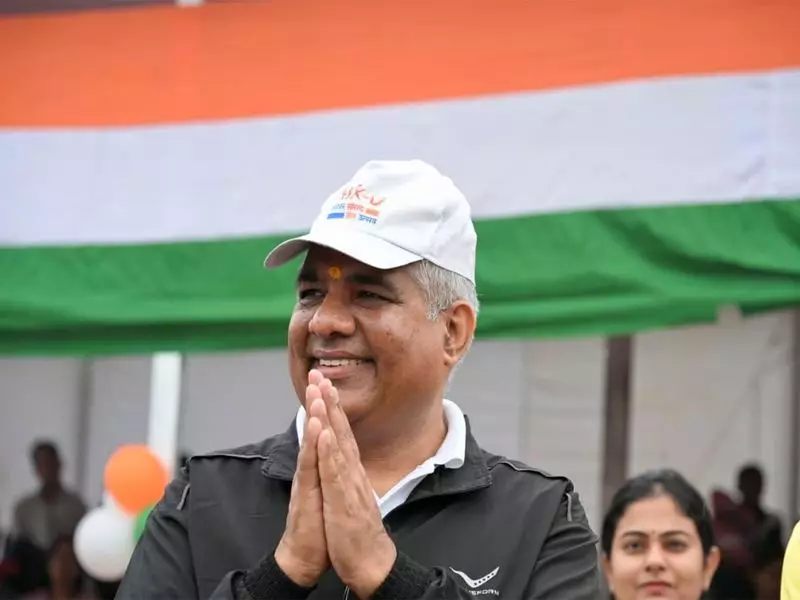
In a significant move underscoring India's growing leadership in global environmental affairs, Union Minister Bhupendra Yadav has departed for Brazil to participate in the highly anticipated COP 30 climate conference. The minister's participation marks a crucial moment in international climate diplomacy as nations gather to address pressing environmental challenges.
The Conference of Parties (COP) represents one of the most important platforms for global climate action, bringing together world leaders, environmental experts, and policymakers to shape the future of our planet's ecological wellbeing. Minister Yadav's presence at this prestigious gathering reinforces India's commitment to sustainable development and climate justice.
India's Strategic Role in Global Climate Negotiations
As a key representative of one of the world's largest economies and most populous nations, Minister Yadav is expected to play a pivotal role in the negotiations. His expertise in environmental governance and sustainable development positions him as a vital voice in shaping the outcomes of this critical summit.

The COP 30 conference comes at a crucial juncture in global efforts to combat climate change, with nations working to implement and enhance their climate commitments under the Paris Agreement. India's participation, led by Minister Yadav, demonstrates the country's proactive approach to addressing environmental challenges while balancing developmental needs.
Strengthening International Climate Partnerships
The minister's journey to Brazil represents more than just diplomatic attendance—it signifies India's determination to foster international cooperation on climate issues. Through bilateral meetings and multilateral discussions, Minister Yadav is expected to build upon existing partnerships and forge new alliances in the global fight against climate change.
This participation follows India's consistent efforts to champion the cause of climate justice and sustainable development on international platforms. The outcomes of these discussions are likely to influence not only global climate policy but also India's domestic environmental strategies in the coming years.






