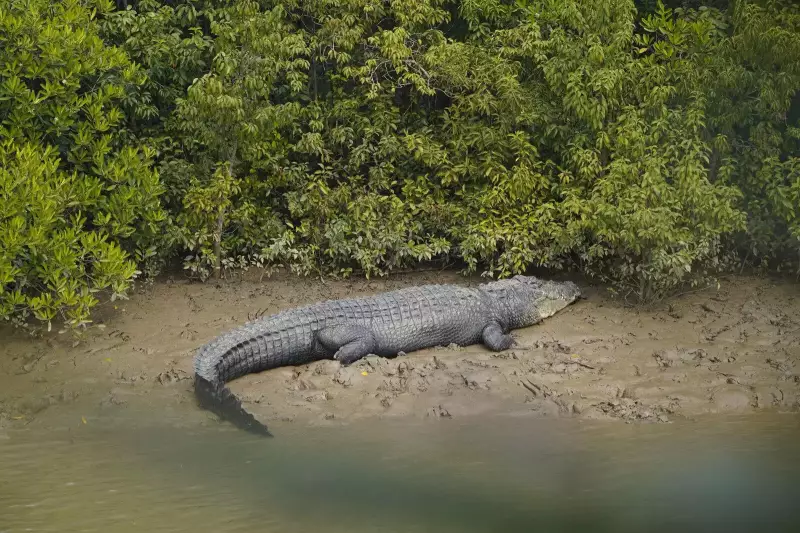
Bhitarkanika Crocodile Numbers Climb in Latest Annual Census
The salt-water crocodile population in Bhitarkanika National Park and surrounding areas of Kendrapada district has shown a healthy increase. According to the recent annual reptile census, the count reached 1,858 crocodiles in 2026. This figure represents a rise from 1,826 crocodiles recorded in the previous year's survey.
Detailed Census Findings Across Age Groups
Forest officials conducted the census from January 8 to January 10. Enumerators carefully counted the reptiles by direct sighting in various creeks and rivers. They worked both during daylight hours and at night to ensure accuracy.
Varadaraj Gaonkar, the Divisional Forest Officer of Bhitarkanika National Park, provided a breakdown of the population by age categories. The 2026 census recorded:

- 531 hatchlings measuring about 2 feet in length
- 442 yearlings ranging from 2 to 3 feet
- 365 juveniles between 3 and 6 feet
- 167 sub-adults measuring 6 to 8 feet
- 353 adults exceeding 8 feet in length
Comparing these numbers to the 2025 census reveals interesting trends. Last year, officials counted 585 hatchlings, 403 yearlings, 328 juveniles, 164 sub-adults, and 346 adults. The data shows fluctuations across different age groups while the overall population continues to grow.
Historical Context and Conservation Success
The current population figures represent a remarkable recovery story. Back in 1975, Bhitarkanika hosted only 95 salt-water crocodiles, with just 34 of them being adults. That same year marked the beginning of coordinated crocodile breeding and rearing programs across India.
These conservation initiatives started in 34 locations spread across several states including West Bengal, Madhya Pradesh, Uttar Pradesh, Bihar, and Odisha. The program in Bhitarkanika has proven particularly effective over the decades.
"The saltwater crocodile conservation programme in Bhitarkanika is the most successful," emphasized DFO Varadaraj Gaonkar. His statement highlights the park's achievement in wildlife preservation.
The steady population growth demonstrates the effectiveness of long-term conservation efforts. It also reflects the suitable habitat conditions maintained in Bhitarkanika's water bodies. The park continues to serve as a crucial sanctuary for this important reptile species.