Bengaluru Restaurant Thrives on Biogas from 5,000 Homes Amid LPG Crisis
As Karnataka faces an acute shortage of LPG cylinders due to geopolitical turmoil in West Asia, many darshinis and eateries across the state have been forced to shut down or reduce their menus. However, one restaurant in Bengaluru's Koramangala area continues to operate unaffected, thanks to an innovative solution: biogas generated from household waste.
Empire Restaurant's Biogas Advantage
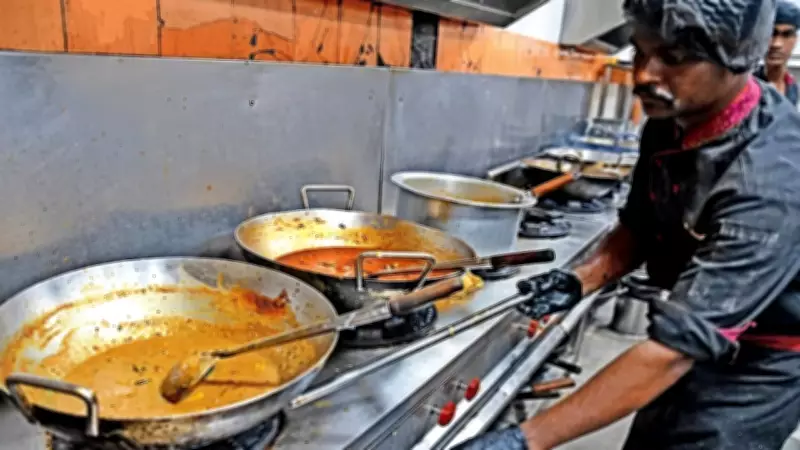
Empire Restaurant in Koramangala's 5th Block is the biggest beneficiary of a local biogas plant, a joint initiative by BBSWML, Saahas, and Carbon Masters. This plant processes waste from nearly 5,000 homes in the city, converting it into cooking fuel. For nearly four years, around 80% of the restaurant's kitchen operations have been powered by this biogas, insulating it from the current fuel disruptions.
Shakir Haq, the CEO of the eatery chain, emphasized the value of their early adoption. "Since it is a direct supply line, we are not facing the disruptions that we are seeing with LPG cylinders. In fact, looking at the current situation, I regret not having pushed this model across more outlets," he said. Among the chain's 60 outlets, this is the only one currently shielded from the shortage.

How the Biogas Plant Works
Som Narayan, co-founder and CEO of Carbon Masters, explained the scale and process of the biogas plant. "The plant converts wet waste into cooking fuel in a simple but effective process. Around 25-30 kg of biogas can be produced by processing one tonne of waste. Currently, Empire Koramangala consumes about 150kg of biogas daily," he detailed. This system not only provides a reliable energy source but also contributes to waste management in the city.
Renewed Focus on Biogas Solutions
The ongoing LPG crisis has drawn renewed attention to Bengaluru's biogas plants, which have historically been low on civic priorities. According to BSWML, the city currently has 12 biogas plants with a daily production capacity of five tonnes, though only six are operational. Their output is primarily used to power streetlights, but the success at Empire Restaurant highlights potential for broader culinary and commercial applications.
A senior official from the Greater Bengaluru Authority (GBA) remarked, "We never thought household waste could come to our rescue." This sentiment underscores a shift towards sustainable urban solutions in times of crisis.
Future Plans and Broader Implications
Looking ahead, Haq revealed plans for a dual-fuel system to reduce dependency on LPG. "We are now looking at a dual-fuel system, so we are not completely dependent on LPG. We will bulk-cook at the Koramangala outlet and see if we can keep the chain running, even with 10% of the menu," he added. This approach could serve as a model for other businesses grappling with fuel shortages.
The situation in Koramangala, an area with one of India's highest restaurant densities, demonstrates how innovative waste-to-energy projects can provide resilience against external disruptions. As Bengaluru and other cities face similar challenges, such initiatives may pave the way for more sustainable and self-reliant urban infrastructures.