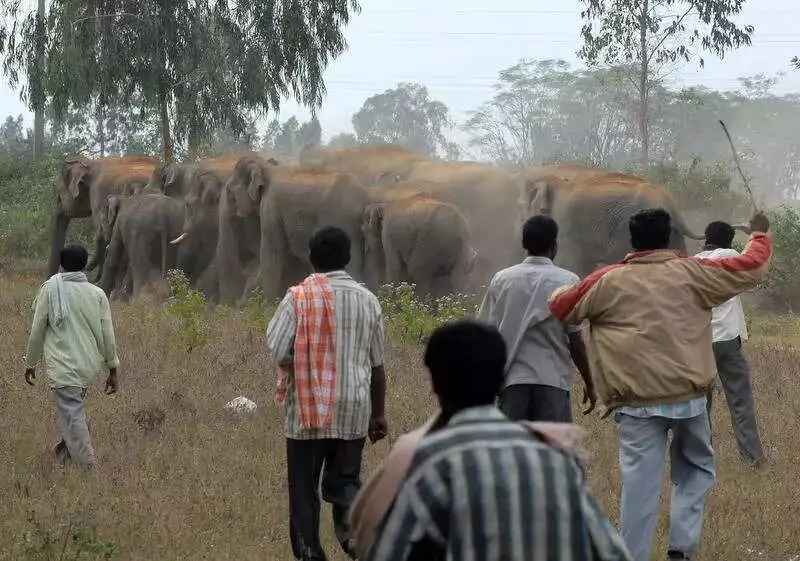
A recent recommendation by a Supreme Court-appointed committee to reinstate a protective buffer zone around Bengaluru's Bannerghatta National Park (BNP) has cast a shadow of uncertainty over several major development projects that sprang up after the zone was reduced in 2020.
Major Projects in the Line of Fire
The Central Empowered Committee (CEC) has advised restoring the Eco-Sensitive Zone (ESZ) to its original 2016 draft extent of 100 square kilometers. This move, if upheld by the Supreme Court, would bring numerous projects under the scanner. These projects were initiated following a 2020 notification that substantially diluted the buffer area.
Conservationists highlight that large-scale residential, commercial, and institutional developments emerged on the park's periphery during this period. A prominent example is the Karnataka Housing Board's Surya City Phase-4 project. According to Kiran Urs of the Bannerghatta Nature Conservation Trust, this layout alone covers approximately 2,200 acres and proposes nearly 36,000 residential plots, all falling within the larger 2016 ESZ boundary.

Resorts, Hotels, and an IIM Campus
Beyond housing, the period saw the rise of several resorts, hotels, and homestays near the national park. Urs also pointed out that a proposed 300-acre campus for the Indian Institute of Management (IIM) is situated within the 2016-drafted ESZ. While educational activities aren't completely banned in such zones, he warned that large campuses could lead to increased vehicular traffic and associated ecological pressures.
Under the ESZ framework, commercial activities are prohibited, and permitted activities like agriculture and eco-tourism are strictly regulated. "Any establishment within the ESZ will have to be assessed for its ecological impact," Urs emphasized.
Next Steps and Government's Stance
The CEC's recommended process includes preparing a zonal monitoring plan within six months and forming a monitoring committee. This committee, comprising ecology and wildlife experts alongside local panchayat representatives, would evaluate the impact of both existing and proposed activities within the ESZ.
Meanwhile, the Karnataka government has adopted a wait-and-watch approach. Forest, Environment, and Ecology Minister Eshwar Khandre stated that these are currently recommendations, and the state will await the Supreme Court's final verdict. He reiterated the government's commitment to biodiversity conservation.
"Based on the CEC recommendations, the Supreme Court will seek the state's response," Khandre said. He added that the government would need to review the circumstances of the 2020 ESZ reduction, take stock of subsequent developments, and assess the potential impact on citizens if the court accepts the restoration proposal.