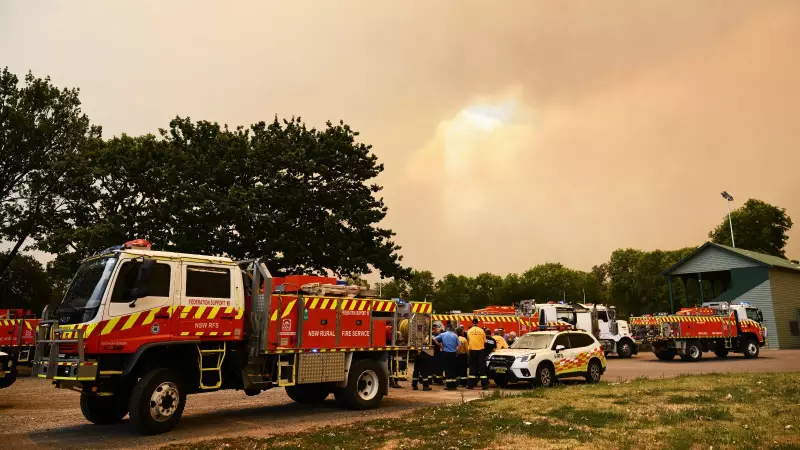
Australia's southeastern state of Victoria is battling a severe bushfire crisis, with multiple blazes destroying homes and cutting electricity to tens of thousands of residents. The fires, fueled by extreme heat and strong winds, have prompted urgent evacuation orders and a state of disaster declaration in several areas.
Homes Destroyed, Widespread Power Outages
Emergency services confirmed that several homes have been lost in the fire-ravaged communities. The situation escalated rapidly, with the most significant impact felt in the Grampians region. More than 50,000 homes and businesses were left without power as the infernos damaged critical electricity infrastructure. Powercor, the local distributor, reported that the fires caused extensive damage to transmission lines, complicating restoration efforts.
Authorities have been forced to cut power preemptively in some areas to prevent further fire risks from damaged lines. This has left communities in the dark during the intense heatwave, compounding the emergency. Residents in affected zones faced a dire choice: evacuate without essential services or shelter in place under dangerous conditions.
Extreme Weather Fuels the Crisis
The bushfires erupted during a period of extreme heat, with temperatures soaring past 40 degrees Celsius (104 Fahrenheit) in parts of Victoria. Strong, gusty winds fanned the flames, allowing them to spread quickly across dry vegetation. The state's fire authority issued several Watch and Act warnings, the second-highest alert level, urging people to leave immediately.
"The fire conditions are changing rapidly," warned an official from the Country Fire Authority (CFA). "We have multiple fires running, and the priority is life." Firefighting aircraft and hundreds of ground crews were deployed, but the scale of the blazes stretched resources thin. The situation was described as volatile and unpredictable, with new fires igniting throughout the day.
Evacuations and Community Impact
Mandatory evacuation orders were issued for towns directly in the fire's path. Relief centers were established in safer locations to accommodate displaced families. The loss of power extended beyond lighting, affecting water pumps, communications, and refrigeration—critical needs during a scorching heatwave.
Local residents described scenes of chaos and anxiety. "The sky turned red, and the smoke was so thick you could barely breathe," shared one evacuee from a threatened community. The psychological toll of the fires is immense, reviving traumatic memories of Australia's devastating "Black Summer" bushfires of 2019-2020.
The economic impact is also significant, with agricultural land and livestock at risk. The full extent of property and environmental damage will only be assessed once the fires are contained and it is safe for authorities to conduct surveys.
A Grim Reminder of Climate Threats
This latest bushfire emergency serves as a stark reminder of the increasing frequency and intensity of such disasters in Australia, which scientists link to climate change. The early onset of severe fires this season has raised concerns about a long and challenging summer ahead for emergency services.
As firefighters continue their arduous battle against the flames, the focus remains on protecting lives and containing the spread. The incident underscores the urgent need for robust disaster preparedness and climate adaptation strategies in fire-prone regions globally.