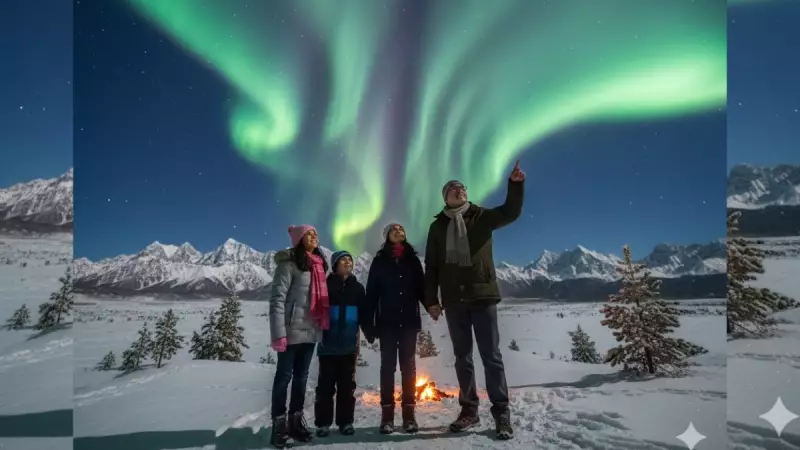
The ethereal dance of the Northern Lights, or Aurora Borealis, is set to become significantly more dramatic and frequent in the coming years. Scientists predict a major surge in these dazzling celestial displays, with activity expected to peak around the year 2026. This intensification is directly linked to the Sun's natural 11-year activity cycle, which is approaching its most volatile phase known as the solar maximum.
The Science Behind the Coming Light Show
The primary driver of this anticipated spectacle is the Sun's cyclical behavior. Our star goes through periods of high and low activity, marked by the number of sunspots on its surface. The period of highest activity, called the solar maximum, is characterized by frequent solar flares and coronal mass ejections (CMEs). These are massive eruptions of charged particles and magnetic fields from the Sun's atmosphere.
When these charged particles travel across space and collide with Earth's magnetic field, they are funneled towards the polar regions. There, they interact with gases in our atmosphere—primarily oxygen and nitrogen—causing them to glow in stunning hues of green, red, purple, and blue. This is the phenomenon we witness as the Aurora Borealis in the north and Aurora Australis in the south.

Why 2026 is the Year to Watch
The current solar cycle, designated Solar Cycle 25, began in December 2019. Forecasts from space weather agencies, including NASA and the National Oceanic and Atmospheric Administration (NOAA), indicate that this cycle's maximum is likely to occur between late 2024 and early 2026. The peak is projected to be stronger than initially predicted, which means more frequent and powerful solar storms.
This heightened solar activity will have a direct and visible impact on auroral displays. The key consequences for skywatchers include:
- Increased Frequency: Auroras will occur more often, moving from rare events to regular occurrences in high-latitude regions.
- Enhanced Intensity: The lights will likely be brighter, more dynamic, and cover a larger portion of the sky during events.
- Expanded Visibility: During periods of intense geomagnetic storms triggered by powerful CMEs, the auroral oval will expand. This means the Northern Lights could become visible at much lower latitudes than usual. There is a possibility of sightings from northern parts of the United States, Europe, and even some regions that rarely, if ever, experience this phenomenon.
Implications and Opportunities for Observers
For travel enthusiasts and astronomy lovers, the period leading up to 2026 presents a golden opportunity. Traditional aurora hotspots like Norway, Sweden, Finland, Iceland, Canada, and Alaska will offer some of the most consistent and breathtaking views. However, the expanded visibility means residents in countries like Scotland, parts of the northern United States, and even some central European nations should remain vigilant for potential displays on clear, dark nights.
It is crucial to note that while the auroras are a beautiful side effect, intense solar activity can also disrupt modern infrastructure. Geomagnetic storms can affect satellite operations, GPS navigation, radio communications, and in extreme cases, power grids. Space weather monitoring agencies will be closely tracking solar activity to provide warnings and mitigate potential technological impacts.
In conclusion, the celestial stage is being set for a remarkable period of solar activity. The years 2024 through 2026 are poised to offer some of the most vibrant and widespread Aurora Borealis displays in over a decade. This natural phenomenon serves as a powerful reminder of our planet's intimate connection with the Sun and offers a unique chance to witness one of nature's most magnificent light shows.