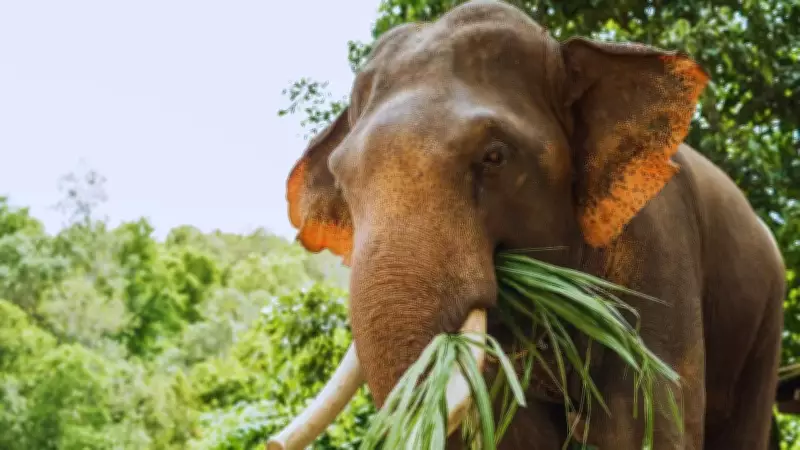
In the verdant landscapes of Assam's Nagaon district, nestled where the Karbi Anglong Range meets the Brahmaputra Valley, a remarkable transformation is unfolding. The village of Hatikhuli-Ronghang, once notorious for frequent and destructive human-elephant conflicts, has now emerged as a celebrated global example of peaceful coexistence between communities and wildlife.
A Legacy of Conflict Transformed
This region, characterized by its mix of reserve forests, paddy fields, and community lands, has long served as a crucial migration route for elephant herds. Historically, these natural movements often resulted in tragedy as elephants, driven by hunger and habitat pressures, would raid ripening crops, prompting fearful or defensive responses from villagers. The cycle of conflict seemed inevitable until a revolutionary approach changed everything.
The 'Hati Bondhu' Revolution
The transformation began not with barriers or deterrents, but with understanding and provision. In 2018, environmentalist Pradip Kumar Bhuyan, then 90 years old, joined forces with local conservationist Binod Dulu Bora to establish Hati Bondhu, meaning "Friends of Elephants." This grassroots organization pioneered a simple yet profound concept: instead of driving elephants away, provide them with dedicated food sources.

Across hundreds of acres surrounding Hatikhuli and neighboring villages, community members began cultivating specially designated plots featuring elephant-friendly crops. They planted nutritious napier grass (commonly called elephant grass), sali rice that elephants could access before human harvest, along with jackfruit and elephant apples. This strategic approach addressed the root cause of conflict—food scarcity for migrating herds.
Remarkable Results and National Recognition
The outcomes have been extraordinary. Over 800 bighas (approximately 266 acres) of previously unproductive land have been converted into dedicated elephant feeding zones. Crop raids have decreased dramatically, and perhaps most significantly, the area has recorded zero human or elephant casualties from conflict in the past eight years.
This success story has captured national attention, with Prime Minister Narendra Modi highlighting Hatikhuli as a model example of community-based natural conflict resolution. The project demonstrates how traditional respect for elephants can be combined with contemporary conservation values to create sustainable solutions.
Community Spirit at the Core
What makes Hatikhuli's achievement particularly noteworthy is the deep community involvement. Residents voluntarily donated land and labor to establish the elephant food corridors, prioritizing collective well-being over individual safety concerns. Women and youth actively participated in planting and maintaining these corridors, while farmers who had previously abandoned their fields due to elephant incursions now cultivate abundant harvests without fear.
A Destination for Meaningful Travel
Beyond its conservation significance, Hatikhuli offers unique experiences for travelers seeking authentic encounters with rural Assam:

- Early-Morning Elephant Observations: Witness elephants moving peacefully through emerald fields at dawn, with opportunities to hear their distant rumbles during migration seasons.
- Cultural Insights: Local guides from Hati Bondhu explain how they map elephant routes and select preferred crops, offering firsthand perspectives on community-led conservation.
- Authentic Village Experiences: Enjoy homestays with local families, savor traditional Assamese cuisine, and learn about regional crafts, music, and agricultural practices.
- Nature and Photography: Explore abundant birdlife and characteristic Brahmaputra Valley flora and fauna, with exceptional photographic opportunities of elephants grazing against lush backdrops.
- Strategic Location: The village provides convenient access to other Assam highlights including Kaziranga National Park, UNESCO World Heritage Site known for one-horned rhinos and tigers.
Planning Your Visit
The optimal time to observe elephant herds in Hatikhuli's feeding zones is between August and December, coinciding with late monsoon through early winter when migration patterns bring elephants through the area. However, the village offers appealing cultural and agricultural experiences throughout the year.
Hatikhuli is accessible by road from major towns including Nagaon and Guwahati, which serves as the nearest major city with airport and railway connections. The journey from Guwahati offers scenic views of rural landscapes, tea gardens, and small rivers as you travel southeast into Assam's quieter heartlands.
This inspiring story from Assam demonstrates how innovative thinking, community cooperation, and respect for nature can transform conflict into coexistence, creating a blueprint that could benefit wildlife conservation efforts across India and beyond.