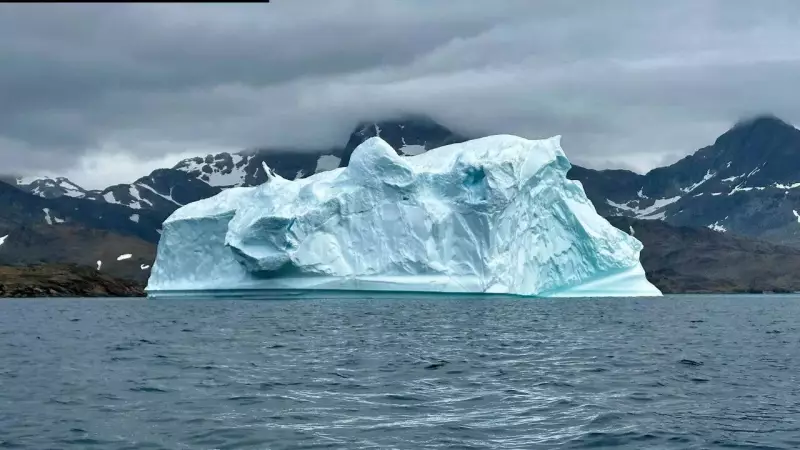
Every year, a silent but critical shift occurs in the Arctic. The vast, white shield of ice that reflects sunlight back into space begins to shrink, giving way to dark, heat-absorbing ocean waters. This transformation, first detected by satellites, is happening at an alarming pace this year, leaving researchers deeply concerned about the impending winter season and its potential global repercussions.
A Rapid and Concerning Melt Season
Data from early summer shows that the extent of sea ice in the Arctic Ocean is well below recent averages. In certain regions, the ice cover has already reduced by hundreds of thousands of square kilometres compared to the same period last year. The melt season, which continues until September, is progressing swiftly. What remains by the end of this period is the crucial ice that must endure through the winter. A smaller ice cover means the Arctic enters the colder months from a position of significant weakness.
Scientists are monitoring not just the area but also the quality of the ice. A large portion of the existing ice is now younger and thinner than historical norms. This makes it more fragile, prone to breaking apart, and quicker to melt even during temporary cooler phases.

The Science Behind the Warming: The Albedo Effect
Why does melting ice lead to a warmer ocean? The National Snow and Ice Data Centre explains that sea ice acts like a pale, reflective shield. It bounces a substantial amount of solar energy back into space. In contrast, open water is dark and absorbs most of the sun's heat, storing it near the surface.
This triggers a self-perpetuating cycle. Once ice melts, the absorbed heat makes it more difficult for new ice to form later in the season. Less ice leads to warmer water, and warmer water leads to even less ice. This phenomenon, known as the albedo effect, is clearly visible in the observational data. Furthermore, the Arctic Ocean is not just warming at the surface. The upper layers are steadily accumulating heat, much of which comes from excess greenhouse gases trapped in the Earth's system.
Global Consequences: From the Pole to Your Winter
The changes in the Arctic do not stay confined to the polar region. They have a history of travelling south, reshaping weather patterns across the globe. A key mechanism for this is the disruption of the polar vortex.
The polar vortex is a ring of powerful winds high in the atmosphere that typically confines cold air to the Arctic during winter. As the region warms due to ice loss and released ocean heat, the temperature difference between the Arctic and lower latitudes diminishes. This can destabilise the vortex, causing it to weaken, stretch, or wobble.
A disturbed polar vortex can bend the jet stream into deeper waves, allowing frigid Arctic air to spill southwards into regions like Europe and North America, while warmer air moves north elsewhere. Historical instances show that severe cold events in these continents have often followed periods of exceptionally low Arctic sea ice, particularly when combined with sudden stratospheric warming events. While not every low-ice year guarantees extreme winter weather, the risk is significantly elevated.
Researchers are watching the upcoming winter with heightened attention. Multiple warning signals—low sea ice, high ocean heat content, and unsettled atmospheric patterns—are aligning. Although weather is complex and influenced by many competing factors, a rapid shift in long-standing Arctic patterns often sets consequences in motion that become starkly apparent when the cold season arrives.
Ultimately, what is vanishing with the ice is stability. The ice once served as a reliable buffer between the ocean and the atmosphere, moderating heat exchange and anchoring weather systems. Its disappearance makes the Arctic—and by extension, global weather—more volatile and unpredictable.