In the wild, survival often depends on strict social order. Across the animal kingdom, numerous species have developed sophisticated systems to maintain harmony within their groups. When individuals step out of line, they don't go unpunished. Scientific research reveals that many animals actively punish rule-breakers to reduce conflict, discourage selfish acts, and ensure the stability of their social structures.
Enforcing Order in Insect Societies
Insect colonies are marvels of cooperation, but this requires strict discipline. In ant colonies, a clear division of labour is essential. Workers that shirk their duties or attempt to reproduce illegally face severe consequences. They may be attacked, physically restrained, expelled from the colony, or even killed. This harsh punishment ensures no single ant jeopardises the efficiency and survival of the entire community.
Honeybees practice a similar form of control known as worker policing. In a beehive, only the queen is supposed to lay eggs. If a worker bee violates this fundamental rule, other workers swiftly detect and destroy the illicit eggs. The offending bee itself may face harassment or be physically prevented from repeating the behaviour, maintaining the queen's reproductive monopoly.
Mammals Upholding Hierarchy and Teamwork
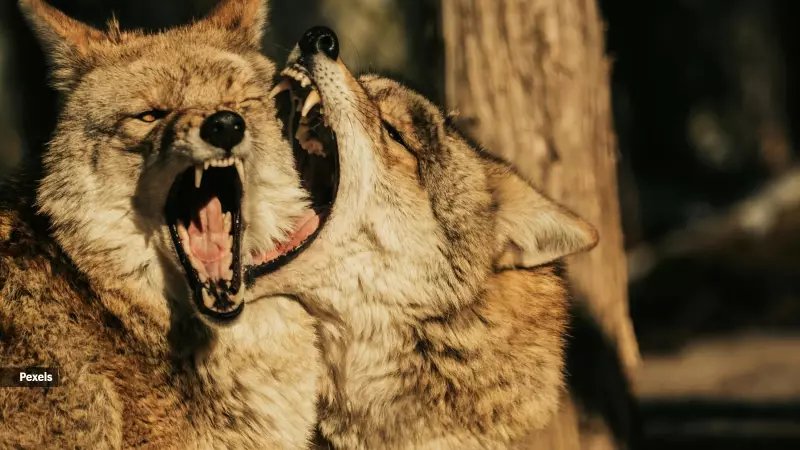
Among mammals, social rules are often tied to hierarchy and cooperative survival. Wolf packs operate under a clear leadership structure. A lower-ranking wolf that challenges the alpha too aggressively or disrupts a coordinated hunt may be pinned down, bitten, or temporarily ostracised. This disciplinary action reinforces the pack's chain of command, which is crucial for successful hunting and defence.
Meerkats, famous for their cooperative lifestyle, rely on every member playing their part. An individual that neglects sentinel duty or ignores group signals puts the entire mob at risk. Such rule-breakers can be chased, bitten, or briefly expelled. Dominant female meerkats are especially vigilant in enforcing rules, particularly those related to breeding and group movement, to ensure collective survival.
Chimpanzees, our close relatives, use collective punishment to regulate behaviour. A chimp that steals food, acts with unnecessary violence, or violates social norms like grooming etiquette may be attacked or socially isolated by multiple members of the troop. This group enforcement helps maintain long-term social bonds and peace.
Unexpected Enforcers: Fish and Birds
Rule enforcement isn't limited to mammals and insects. The mutualistic relationship between cleaner fish and their clients is based on trust. The cleaner fish eats parasites off larger fish. However, if a cleaner fish cheats by biting the client's healthy tissue, the client will punish it by chasing it away or refusing future cleaning sessions. This economic penalty discourages cheating and upholds the symbiotic deal.
Even highly intelligent birds like crows have a sense of justice. Crows enforce social rules through mobbing and loud vocal scolding. Birds that act aggressively or violate group norms may find themselves collectively harassed or excluded from the group. This peer pressure reinforces acceptable behaviour and social cohesion within the murder of crows.
From the tiny ant to the intelligent chimpanzee, these examples show that social order is a cornerstone of survival for many species. Punishment for rule-breaking is a natural tool to minimise selfish behaviour, manage conflict, and keep complex social systems running smoothly. Nature, it seems, has its own justice system, and it operates with remarkable efficiency.