

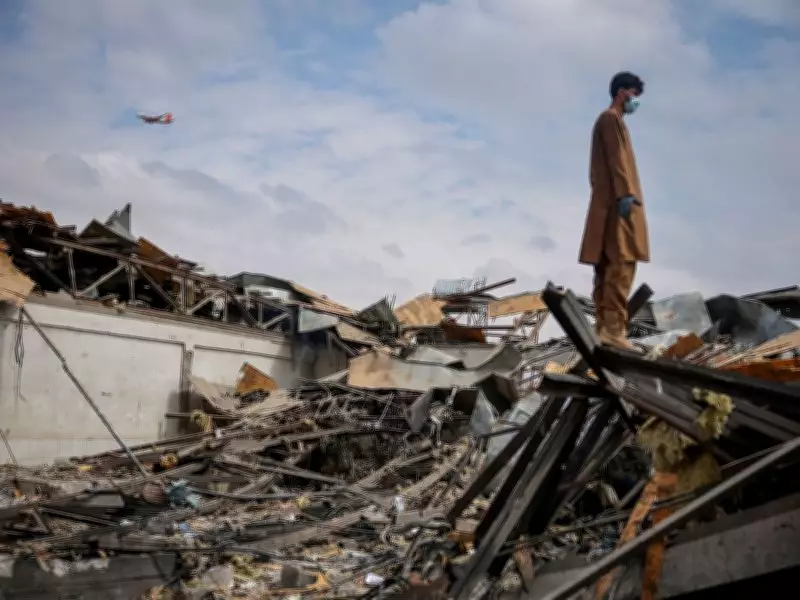
Afghanistan Maintains Humanitarian Support for Families Displaced by Pakistani Military Operations
In a significant humanitarian effort, the Afghan government has reaffirmed its commitment to providing ongoing aid to families who have been forcibly displaced from their homes due to recent military attacks launched by Pakistan. This initiative underscores Afghanistan's dedication to addressing the urgent needs of its citizens affected by cross-border hostilities, as tensions between the two neighboring nations continue to escalate.
Comprehensive Aid Packages Delivered to Affected Communities
The aid distribution program, managed by Afghan authorities in collaboration with local and international humanitarian organizations, includes a wide range of essential supplies. Food rations, temporary shelter materials, clean water, and medical assistance are being systematically provided to the displaced families, many of whom have lost their livelihoods and homes in the wake of the attacks. Reports indicate that the aid efforts are focused on regions along the Afghanistan-Pakistan border, where the impact of the military strikes has been most severe.
Officials from the Afghan Ministry of Refugees and Repatriation have emphasized that the assistance is aimed at mitigating the immediate hardships faced by these families. "We are prioritizing the safety and well-being of our people during this challenging time," stated a ministry spokesperson. "Our teams are working tirelessly to ensure that no family is left without basic necessities as they cope with displacement."

Background on the Cross-Border Tensions and Displacement Crisis
The displacement crisis stems from a series of military actions by Pakistan, which have targeted areas in Afghanistan under the pretext of counter-terrorism operations. These attacks have resulted in:
- Significant civilian casualties and property damage
- Forced migration of hundreds of families to safer regions within Afghanistan
- Increased strain on local resources and infrastructure in host communities
Analysts note that the situation highlights the fragile security dynamics in the region, with historical disputes and ongoing political friction contributing to the volatility. The Afghan government's aid response is seen as a critical measure to stabilize affected populations and prevent further humanitarian deterioration.
Challenges and Future Outlook for Humanitarian Efforts
Despite the robust aid initiatives, challenges persist in delivering assistance effectively. Logistical hurdles, limited funding, and security risks in conflict-affected areas complicate the distribution process. Humanitarian agencies are calling for increased international support to bolster Afghanistan's capacity to respond to the crisis.
Looking ahead, experts warn that without a diplomatic resolution to the underlying tensions between Afghanistan and Pakistan, the displacement issue may worsen. The Afghan government has reiterated its call for peaceful dialogue to address cross-border concerns, while continuing to uphold its humanitarian responsibilities. As the aid efforts proceed, monitoring and evaluation mechanisms are being implemented to ensure transparency and efficiency in resource allocation.






