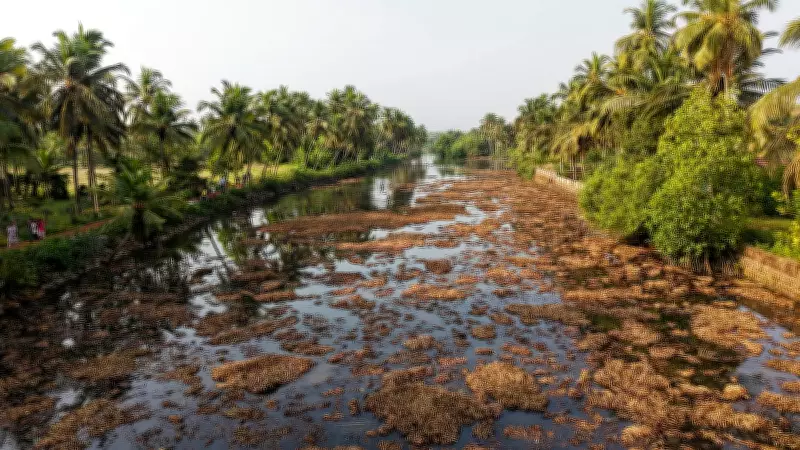
Urbanization has brought progress, but at a steep cost to our natural water bodies. A river that once flowed freely is now a victim of unchecked waste dumping, encroachment, and neglect. This is not just an environmental issue; it is a crisis of public health, biodiversity, and cultural heritage.
The River's Plight
Once a lifeline for communities, the river now carries the burden of untreated sewage, industrial effluents, and solid waste. Its banks, once green, are now lined with garbage. The water, once clear, is now toxic. This transformation is a stark reminder of the consequences of rapid urbanization without adequate infrastructure.
Health and Environmental Impact
The contamination of the river has dire consequences. Communities living along its banks face waterborne diseases. Aquatic life is disappearing, and the ecosystem is collapsing. The river's ability to recharge groundwater is severely compromised, affecting water availability for millions.

The Root Causes
Industrial growth, population explosion, and lack of waste treatment facilities are primary drivers. Encroachments on floodplains and illegal dumping have worsened the situation. The absence of strict enforcement of environmental laws allows pollution to continue unchecked.
Call for Action
Reviving the river requires a multi-pronged approach. Strengthening waste management systems, treating sewage before discharge, and restoring riverbanks are essential. Public awareness and community participation can drive change. Government policies must prioritize river conservation over short-term economic gains.
The river's plight is a mirror to our urban challenges. Saving it is not just an environmental duty but a commitment to future generations. The time to act is now.