

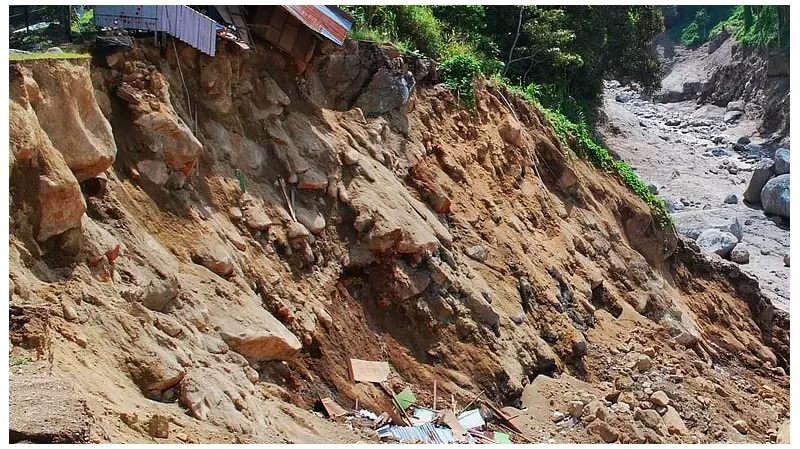
A startling new scientific study has uncovered that approximately 900 square kilometres of urban land across five major Indian cities is experiencing significant subsidence, posing a grave threat to infrastructure and public safety.
The research, conducted using advanced satellite data analysis, reveals that India's rapid urban expansion and unchecked groundwater extraction are causing large land areas to sink at alarming rates.
Which Cities Are Most Affected?
The study focused on five Indian megacities, with Delhi and Kolkata emerging as the most severely impacted:

- Delhi: Facing the most extensive subsidence, affecting critical areas and infrastructure
- Kolkata: Showing rapid sinking patterns in multiple zones
- Chennai: Experiencing moderate but concerning land movement
- Bengaluru: Showing early signs of subsidence in developing areas
- Hyderabad: Detected subsidence in specific urban corridors
What's Causing the Sinking?
Groundwater depletion emerges as the primary culprit behind this environmental crisis. As cities grow and water demand increases, excessive pumping from underground aquifers is causing the land above to compact and sink.
Additional contributing factors include:
- Rapid urban construction and infrastructure development
- Heavy building density without proper geological assessment
- Inadequate water management policies
- Climate change impacts on water cycles
Implications for Urban Infrastructure
The subsidence poses serious risks to:
- Building stability: Potential structural damage to residential and commercial properties
- Transport networks: Risk to metro systems, roads, and railway lines
- Utility services: Threat to water pipelines, sewage systems, and electrical networks
- Public safety: Increased vulnerability during natural disasters
Experts warn that without immediate intervention, the economic and human costs could be catastrophic, affecting millions of urban residents and requiring massive infrastructure repairs.
The Way Forward
The study emphasizes the urgent need for comprehensive groundwater management policies, sustainable urban planning, and regular monitoring using satellite technology to prevent further deterioration.
City administrations must prioritize water conservation, explore alternative water sources, and implement stricter regulations on groundwater extraction to safeguard India's urban future.






