

Global Study Exposes Widespread Sewage Pollution in Marine Protected Areas
A comprehensive new environmental study has delivered a sobering revelation about the state of the world's oceans. The research indicates that a staggering 73% of marine protected areas globally are contaminated by sewage pollution. This wastewater, originating from residential and commercial sources, flows through sewage systems into rivers and ultimately reaches the ocean, carrying a toxic cocktail of substances that pose severe threats to marine ecosystems.
The Toxic Composition of Sewage Discharge
The study meticulously details how sewage discharge transports a dangerous mix of nutrients, pathogens, and various chemicals into marine environments. These contaminants are not benign; they actively damage critical habitats such as coral reefs and seagrass ecosystems. The nutrients can lead to harmful algal blooms that deplete oxygen in the water, creating dead zones where marine life cannot survive. Pathogens introduce diseases that can devastate fish populations and other aquatic organisms, while chemicals from industrial and household waste accumulate in the food chain, causing long-term ecological harm.
Devastating Impact on Coastal Wildlife and Ecosystems
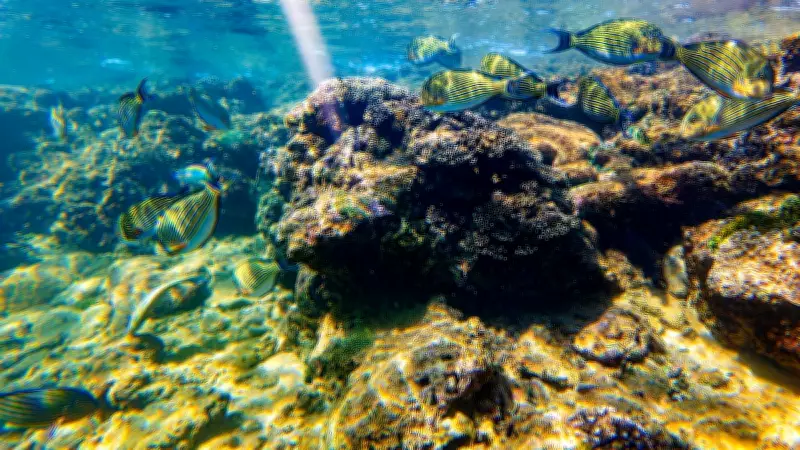
The repercussions of this widespread pollution are profound and multifaceted. Coral reefs, often described as the rainforests of the sea due to their biodiversity, are particularly vulnerable. Sewage-induced stress can lead to coral bleaching, where corals expel the symbiotic algae that give them color and nutrients, ultimately causing them to die. Seagrass beds, which serve as nurseries for many fish species and help stabilize sea floors, are also severely affected, leading to habitat loss for countless marine creatures.

Coastal wildlife, including mammals, birds, and reptiles, faces direct harm from exposure to polluted waters. Contaminants can cause reproductive issues, immune system suppression, and even mortality in species that rely on these protected areas for feeding and breeding. The study underscores that marine protected areas, established to conserve biodiversity, are failing in their mission due to this unchecked pollution, highlighting a critical gap in environmental management and protection efforts.
Urgent Call for Action and Improved Wastewater Management
This research serves as a stark warning and an urgent call to action for governments, environmental organizations, and communities worldwide. It emphasizes the need for enhanced wastewater treatment infrastructure, stricter regulations on sewage discharge, and better monitoring of marine protected areas. Without immediate intervention, the continued degradation of these vital ecosystems could lead to irreversible losses in marine biodiversity, affecting not only wildlife but also human communities that depend on healthy oceans for food, tourism, and climate regulation.
The findings, published on April 3, 2026, by researchers including Mrityunjay Bose, have been widely disseminated by organizations such as the Wildlife Conservation Society. They stress that protecting our oceans requires a concerted global effort to address the root causes of pollution and safeguard these precious marine habitats for future generations.






