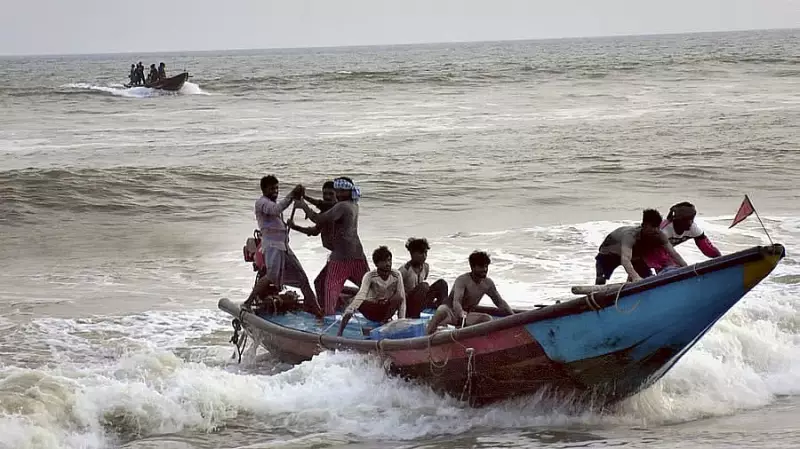
Sri Lankan Navy Detains Seven Indian Fishermen Over Alleged Poaching Charges
In a development that underscores the ongoing maritime tensions between India and Sri Lanka, the Sri Lankan Navy has arrested seven Indian fishermen for allegedly engaging in illegal fishing activities within Sri Lankan territorial waters. The incident occurred near the Palk Strait, a narrow waterway that separates the two nations and has been a frequent flashpoint for fishing disputes over the years.
Details of the Arrest and Allegations
The fishermen, all hailing from the Indian state of Tamil Nadu, were apprehended by Sri Lankan naval personnel on charges of poaching. According to reports, the arrests were made after the fishermen were found operating their vessels in Sri Lankan waters without proper authorization. The Sri Lankan Navy has accused them of violating maritime boundaries and engaging in unauthorized fishing, which is a serious offense under Sri Lankan law.
This incident is not isolated; it reflects a broader pattern of conflicts in the region, where fishermen from both countries often cross into each other's waters due to the rich fishing grounds and unclear demarcations. The Palk Strait, in particular, is known for its abundant marine resources, making it a contentious area where such arrests have occurred multiple times in the past.

Background and Implications for Bilateral Relations
The arrest of Indian fishermen by Sri Lankan authorities is a recurring issue that has strained diplomatic ties between the two neighboring countries. India and Sri Lanka share a long maritime border, and disputes over fishing rights have been a persistent challenge. These incidents often lead to diplomatic protests and calls for the release of detained fishermen, highlighting the need for clearer maritime agreements and cooperative mechanisms.
In this case, the Indian government is expected to engage with Sri Lankan officials to secure the release of the fishermen and address the underlying issues. Such arrests can escalate tensions, especially given the sensitive nature of cross-border relations and the livelihoods of fishing communities on both sides. The incident also raises questions about the enforcement of maritime laws and the protection of fishermen's rights in international waters.
Response from Authorities and Future Outlook
Indian authorities have been notified of the arrests and are likely to take up the matter through diplomatic channels. The fishermen's families in Tamil Nadu have expressed concern and are awaiting updates on their release. Meanwhile, Sri Lankan officials have emphasized their commitment to protecting their maritime resources and enforcing laws against illegal fishing.
Looking ahead, this incident may prompt renewed discussions between India and Sri Lanka on resolving fishing disputes. Possible solutions could include joint patrols, better demarcation of maritime boundaries, or bilateral agreements to regulate fishing activities. Until such measures are implemented, similar arrests are likely to continue, affecting the stability and cooperation in the region.
In summary, the arrest of seven Indian fishermen by the Sri Lankan Navy highlights the ongoing challenges in managing cross-border fishing activities. It underscores the need for diplomatic efforts and collaborative solutions to prevent such incidents and ensure the safety and rights of fishermen in the Palk Strait area.