

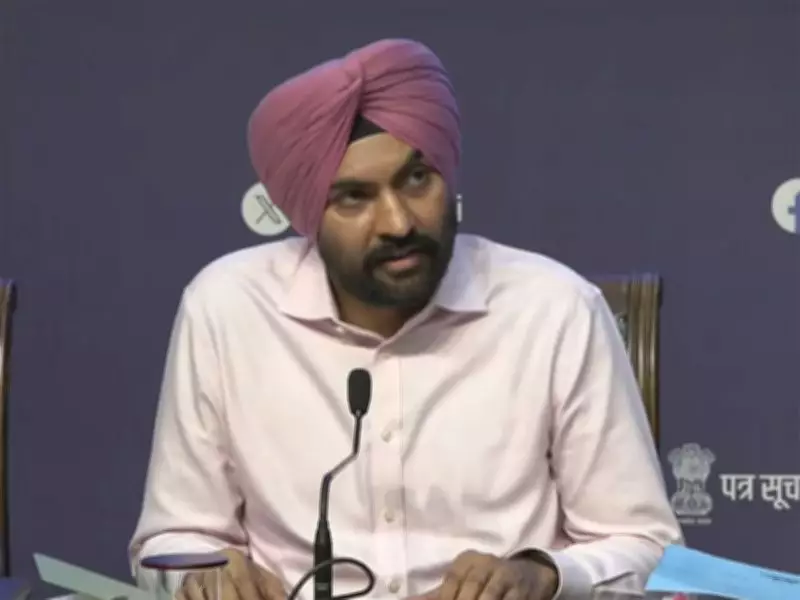
Massive Repatriation Effort Brings Over 2,500 Seafarers Home from Gulf
In a significant humanitarian operation, more than 2,500 seafarers have been successfully repatriated from the Gulf region, marking a crucial step in addressing the ongoing crew change crisis that has affected maritime workers worldwide. This large-scale effort underscores the collaborative work between governments, shipping companies, and international organizations to ensure the safe return of these essential workers to their home countries.
Addressing Crew Change Challenges
The repatriation initiative comes amid persistent challenges in crew changes, which have been exacerbated by global travel restrictions and logistical hurdles. Seafarers, often stranded on vessels for extended periods beyond their contracts, have faced immense physical and mental strain. The successful return of over 2,500 individuals highlights the urgency of resolving these issues to maintain the well-being of maritime personnel and the smooth operation of global trade.
This operation not only provides relief to the seafarers but also helps stabilize the shipping industry, which relies heavily on timely crew rotations to ensure safety and efficiency.

Collaborative Efforts and International Support
The repatriation was made possible through coordinated efforts involving multiple stakeholders. Key players included:
- Government authorities from the Gulf countries and the seafarers' home nations.
- Shipping companies and maritime agencies facilitating logistics and travel arrangements.
- International bodies like the International Maritime Organization (IMO), which have advocated for seafarers' rights during the pandemic.
These collaborations have been essential in navigating complex regulatory frameworks and ensuring compliance with health protocols, such as COVID-19 testing and quarantine measures, to safeguard all parties involved.
Impact on the Maritime Sector and Future Steps
The repatriation of over 2,500 seafarers is expected to have a positive impact on the maritime sector by alleviating crew shortages and reducing operational disruptions. However, challenges remain, as thousands of seafarers worldwide still await repatriation. Moving forward, stakeholders emphasize the need for:
- Continued international cooperation to streamline crew change processes.
- Enhanced support systems for seafarers' mental and physical health.
- Sustainable solutions to prevent future crises in the shipping industry.
This effort serves as a reminder of the critical role seafarers play in global supply chains and the importance of prioritizing their welfare in international policies.






