

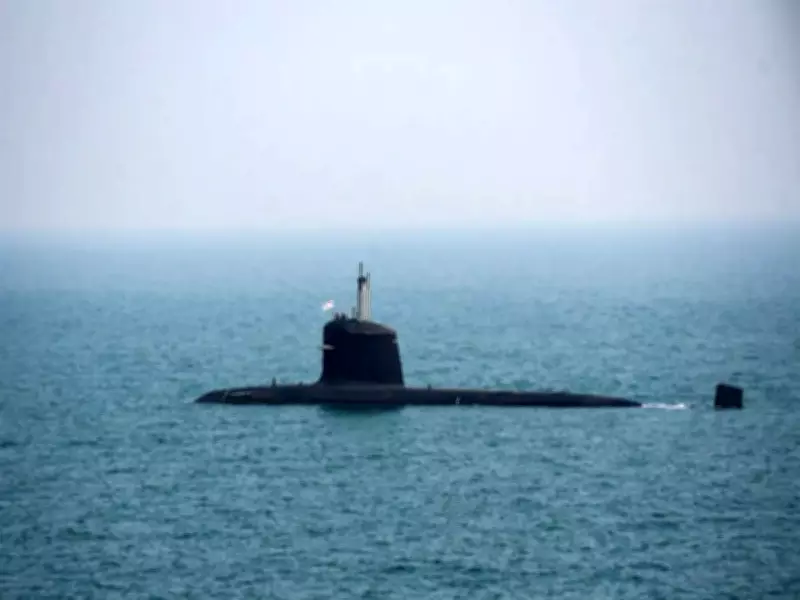
A Comprehensive Guide to 12 Types of Submarines: Underwater Naval Powerhouses
Submarines represent some of the most advanced and enigmatic machines ever constructed by humanity. Engineered to operate beneath the ocean's surface for prolonged durations, these vessels are pivotal in military defense, scientific research, underwater rescue operations, intelligence collection, and even tourism. Their capacity to navigate undetected, execute surprise strikes, and endure hostile marine environments establishes them as critical strategic assets in contemporary naval warfare. Over decades, submarines have transformed from rudimentary hand-powered crafts into highly sophisticated systems powered by nuclear reactors and cutting-edge battery technologies.
Numerous submarine types exist, each tailored for specific roles. While some are designed for combat and missile deployment, others serve research, rescue, or deep-sea exploration purposes. This article provides an in-depth exploration of the major submarine categories, elucidating their functions, distinctive features, and significance in today's world.
1. Military Submarines
Military submarines are the most prevalent and recognized type, operated by naval forces globally for defense, surveillance, and combat missions. They are broadly categorized into attack submarines and ballistic missile submarines. Built with stealth technology to evade radar and sonar detection, these vessels feature noise-reducing outer hulls and carry advanced armaments like torpedoes, cruise missiles, and mines.

2. Attack Submarines (SSN / SSK)
Attack submarines are engineered to hunt and destroy enemy ships, submarines, and naval assets. They are characterized by speed, agility, and heavy armament, serving to protect fleets, gather intelligence, escort aircraft carriers, and engage enemy targets as needed.
- Nuclear-Powered Attack Submarines (SSN): Utilizing nuclear reactors, these submarines can remain submerged for months without refueling, achieving high speeds and transoceanic operations without surfacing. Major naval powers like the United States, Russia, the United Kingdom, and France deploy them for their endurance and power.
- Diesel-Electric Attack Submarines (SSK): Operating on diesel engines when surfaced or snorkeling and on battery power when submerged, these submarines are quieter in battery mode, making them effective in coastal and narrow seas. They are more affordable to build and maintain, popular among smaller navies, though they require periodic surfacing to recharge batteries.
3. Ballistic Missile Submarines (SSBN)
Ballistic missile submarines are strategic vessels designed to carry nuclear missiles, primarily for nuclear deterrence. They remain concealed underwater for extended periods, ready to launch ballistic missiles in response to attacks. Their stealth and survivability make them a cornerstone of national nuclear defense systems, capable of retaliation even if land bases are compromised. Countries such as India, China, the United States, and Russia operate these large, heavily protected submarines equipped with advanced communication systems.
4. Guided Missile Submarines (SSGN)
Guided missile submarines are armed with cruise missiles for precision strikes on land targets, enemy ships, and strategic facilities. Unlike ballistic missile submarines focused on deterrence, SSGNs are used in active military operations, launching missiles from long distances while remaining undetected. Some are converted from older ballistic missile submarines, repurposing them for modern warfare roles.
5. Cruise Missile Submarines
Specialized for firing cruise missiles at land or sea targets, these submarines launch low-altitude, accurately guided missiles. They are valuable in modern conflicts for executing surprise attacks on military bases, radar systems, and command centers, minimizing risks to surface ships and aircraft by operating covertly underwater.

6. Midget Submarines
Midget submarines are compact vessels operated by one to six personnel, designed for short missions in shallow waters, harbor attacks, reconnaissance, sabotage, and special operations. Their small size allows access to narrow waterways inaccessible to larger submarines. Historically used in harbor infiltrations, modern versions are still employed for coastal defense and covert missions by some nations.
7. Special Operations Submarines
These submarines support naval commandos and special forces by inserting and extracting divers, surveillance teams, or demolition experts. They may carry swimmer delivery vehicles, mini-submersibles, and special chambers for submerged diver exits, essential for covert military missions. Often modified from larger attack submarines, they prioritize secrecy and operational flexibility.
8. Research Submarines
Non-military research submarines are used by scientists to study oceans, marine life, geology, and underwater ecosystems. Equipped with cameras, robotic arms, sensors, and sampling tools, they explore coral reefs, deep trenches, hydrothermal vents, and shipwrecks, contributing significantly to oceanography and climate science. Notable examples include Alvin, renowned for deep-ocean exploration and underwater volcanic studies.
9. Rescue Submarines
Rescue submarines are specifically built to save crews trapped in damaged submarines. Compact and maneuverable, they can dock with disabled vessels underwater, carrying life-support systems to transport survivors safely to the surface. Integral to naval emergency responses, modern rescue submarines operate in rough weather and at significant depths beyond diver capabilities.
10. Tourist and Civilian Submarines
Designed for tourism and private exploration, civilian submarines allow passengers to view marine life, coral reefs, and underwater landscapes through transparent domes or large windows. Operating in popular coastal destinations with robust safety systems, they typically travel at shallow depths for short durations. Luxury private submarines are also emerging for wealthy buyers and marine researchers.
11. Autonomous and Unmanned Submarines
Unmanned underwater vehicles (UUVs) function as robotic submarines, operated remotely or autonomously without onboard crews. Used for mine detection, seabed mapping, surveillance, cable inspection, underwater photography, and scientific research, they reduce human risk. As artificial intelligence advances, autonomous submarines are becoming more prevalent in both civilian and military sectors.
12. Deep-Sea Exploration Submersibles
Specialized submarines built to descend to extreme ocean depths, these submersibles feature pressure-resistant hulls made from titanium or advanced materials. They explore ocean trenches, locate wrecks, and conduct scientific missions in lightless areas. Trieste, famous for reaching the Mariana Trench in 1960, exemplifies their role in expanding knowledge of Earth's deepest oceans.
Difference Between Nuclear and Diesel Submarines
A key distinction among submarines is their power source. Nuclear submarines offer months of submerged endurance, long-distance travel, and high speeds but are expensive and technologically complex. Diesel-electric submarines are cheaper, quieter in battery mode, and effective for coastal defense, though they have limited endurance and require periodic battery charging. Each type's utility depends on national strategy, geography, and budget considerations.
Importance of Submarines in the Modern World
Submarines are vital given that oceans cover most of Earth's surface. Nations utilize them to protect trade routes, monitor enemy movements, defend coastlines, and maintain strategic deterrence. Scientists rely on them for exploring underwater ecosystems and discovering new species, while engineers use them for inspecting pipelines and communication cables. Technological advancements are making submarines quieter, smarter, and more versatile, enhancing their roles across defense, science, and industry.
Submarines are remarkable machines serving diverse purposes. From nuclear ballistic missile submarines safeguarding national security to research submarines unlocking ocean secrets, each type plays a unique role. Attack submarines dominate naval warfare, rescue submarines save lives, and unmanned submarines represent the future of underwater operations. The variety in submarine designs underscores the underwater world's importance for defense, science, and industry, ensuring these vessels remain invaluable tools beneath the sea as technology evolves.





