Over 1,000 Toads Feared Dead After Reservoir Drained in North Wales During Breeding Season
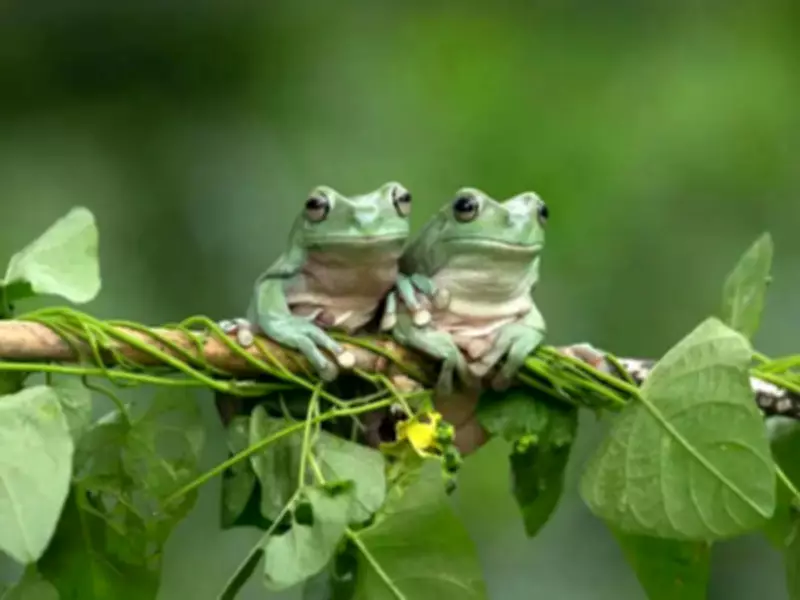
Fears are escalating that more than 1,000 toads may have perished after a reservoir in north Wales was drained during the critical peak breeding season, sparking significant concern among conservation groups over the devastating impact on local wildlife. The site at Nant-y-Ffrith near Wrexham, a key breeding ground for amphibians, was emptied over the Easter weekend by water company Hafren Dyfrdwy just weeks before toads were expected to leave the area, creating a dire situation for the vulnerable population.
Reservoir Drained During Critical Breeding Period
Volunteers from Wrexham Toad Patrols have been actively assisting amphibians crossing roads during migration, and have helped around 1,500 toads reach the reservoir this season alone, underscoring its immense importance as a breeding site. According to reporting by The Guardian, conservationists said they were "shocked, angry and heartbroken" after discovering the reservoir had been drained at such a crucial time for wildlife. Toads typically return to the same breeding sites each year and are unlikely to relocate, raising grave concerns that many may not survive following the sudden loss of their essential habitat.
A Wider Impact on the Ecosystem is Feared
The reservoir supports a broader and more complex ecosystem, including birds such as great crested grebes and coots, along with nearby populations of curlews, lapwings, and various other species. Environmental groups are issuing stern warnings that the abrupt loss of water could severely disrupt breeding cycles and delicate food chains, affecting not only amphibians but also birds and aquatic life across the entire area. As noted by The Guardian, experts emphasize that such habitat loss can trigger far-reaching ecological consequences, with effects spreading well beyond a single species and potentially destabilizing local biodiversity.

Water Company Cites Safety Worries
Hafren Dyfrdwy stated that the reservoir was drained to carry out essential safety improvements, adding that the situation was "concerning for the local community." The company has announced it is reviewing the incident alongside ecological experts and is actively looking at ways to address the environmental impact going forward. However, this response has done little to assuage the fears of conservationists who argue that the timing was catastrophic for wildlife.
Declining Toad Populations Add Urgency
This distressing incident comes amid long-term declines in amphibian populations, with common toad numbers in the UK having fallen significantly in recent decades due to habitat destruction, pollution, and climate change. Conservationists stress that the timing of the drainage has intensified concerns dramatically, as the breeding season remains a critical period for species already under immense pressure from various environmental threats. The situation has renewed urgent calls for closer coordination and better planning between infrastructure work and wildlife protection measures, particularly during sensitive seasonal cycles to prevent such tragedies in the future.