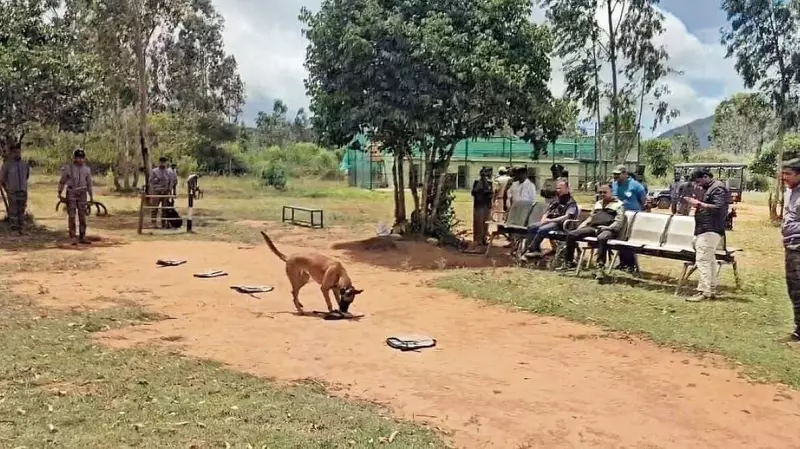
In a significant boost to wildlife conservation and protection efforts, the special canine training centre located within Karnataka's Bandipur Tiger Reserve has successfully trained a new batch of ten dogs this year. These canine recruits are being prepared for crucial roles in detecting wildlife crimes and assisting forest department personnel.
Puppies Begin Training at a Young Age
The training programme selected puppies when they were just between 60 and 90 days old. This early start is crucial for imprinting the necessary skills and discipline required for their future roles. The dedicated training was conducted at the Melukamanahalli administrative block, which is situated inside the sprawling Bandipur reserve.
A Vital Force in Forest Protection
The trained dogs are set to become a formidable asset for the forest department. They will be deployed for a variety of critical tasks essential for protecting India's natural heritage. Their primary functions will include:

- Sniffing out illegal wildlife products and contraband.
- Tracking poachers and trespassers within the reserve's boundaries.
- Assisting in search and rescue operations for injured animals.
- Detecting hidden traps and snares laid by poachers.
This initiative underscores the increasing reliance on non-invasive and highly effective canine units to combat wildlife crime across India's protected areas. The success of the Bandipur centre, graduating ten well-trained dogs in a year, highlights Karnataka's proactive approach to strengthening frontline conservation.
Strengthening Karnataka's Conservation Arsenal
The establishment and success of this specialised training centre mark a forward-thinking step in wildlife management. By integrating these highly skilled detection dogs into daily patrols and operations, the Bandipur Tiger Reserve authorities aim to create a more robust and responsive protection network. This news, reported on 07 December 2025, points to a growing trend where technology and animal intelligence combine to safeguard the country's precious biodiversity for future generations.