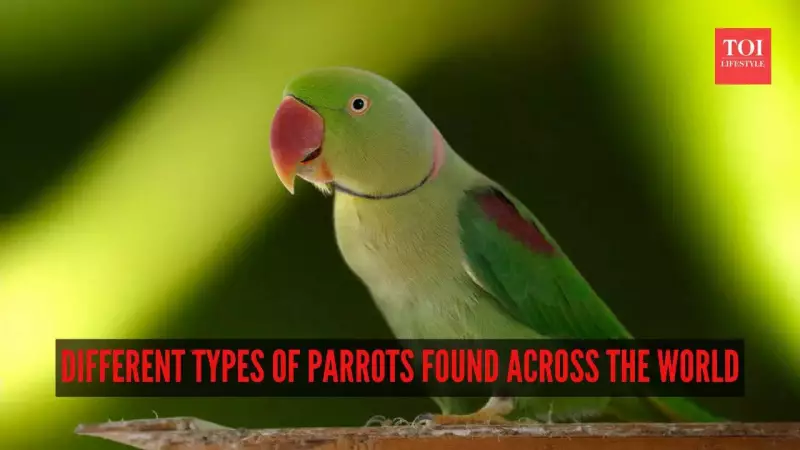
The world of parrots is a dazzling display of colour, intelligence, and ecological wonder. With over 400 species under the scientific order Psittaciformes, these birds inhabit tropical and subtropical regions globally. Known for their vibrant plumage, social behaviour, and strong curved beaks perfect for cracking nuts, parrots are a fascinating subject. They possess unique zygodactyl feet—two toes facing forward and two backward—which grant them exceptional climbing and object-manipulating skills. From the petite budgerigar to the majestic macaw, each species contributes to the rich tapestry of biodiversity.
Intelligent Mimics and Vibrant Giants
The African Grey Parrot, native to West and Central African rainforests, is renowned as one of the most intelligent bird species. Its distinctive grey feathers and bright red tail are matched by an uncanny ability to mimic human speech with remarkable accuracy.
In the tropical realms of Central and South America, the Blue-and-Yellow Macaw cuts a spectacular figure. Its brilliant blue and yellow plumage makes it a standout inhabitant of forests and savannas, where it lives in highly social groups.

Equally stunning is the Scarlet Macaw, a native of humid rainforests stretching from Mexico to Brazil. Its fiery red, yellow, and blue feathers make it an icon. However, this key species faces significant threats from deforestation, leading to local extinctions.
Unique Habitats and Specialised Traits
South and Central America is also home to the Blue-Headed Parrot (or Blue-headed Pionus). Identified by its green body and vivid blue head and neck, this bird prefers forested areas and is known for its sharp, high-pitched calls.
Deep within the Amazon basin resides the striking Red-Fan Parrot, also called the Hawk-headed Parrot. It boasts a distinctive dark face and neck feathers with a zebra-like pattern, which it can fan out dramatically when excited. It thrives in undisturbed rainforests, feeding primarily on fruits.
On the isolated islands of the Seychelles, the Seychelles Black Parrot holds the title of national bird. This medium-sized parrot, with its dark grey-brown plumage, is a symbol of the islands' unique biodiversity but is vulnerable to habitat changes.
Rarity and the Need for Conservation
Perhaps one of the most extraordinary parrots is New Zealand's Kākāpō. It is the world's only flightless and nocturnal parrot. With moss-green feathers and strong legs for walking and climbing, this critically endangered bird is among the rarest species on Earth.
The Eclectus Parrot, native to the Solomon Islands and New Guinea, showcases stunning sexual dimorphism. Males are a brilliant emerald green, while females are predominantly vibrant red. These intelligent and social birds are typically found in forest habitats.
From the north-western forests of South America comes the Copper-Winged Parrot (Pionus chalcopterus). This medium-sized bird features dark feathers with beautiful coppery-green highlights and prefers to nest in tree holes within forested environments.
Another South American native, the Dusky Pionus (Pionus fuscus), sports a dark brownish-grey plumage accented with blue and red patches on its wings and tail. It is a tree-nesting species and is considered relatively scarce compared to other parrots.
Parrots represent one of the planet's most diverse and captivating bird groups. Each species, from the clever African Grey to the elusive Kākāpō, possesses specific traits that enable its survival. These colourful birds are not merely an aesthetic delight; they are vital components of their ecosystems and hold significant cultural value. The urgent challenges they face—including habitat loss and deforestation—make their conservation, and the protection of their homes, an absolute necessity. Whether observed in wild forests or studied in labs, parrots continue to be a source of endless wonder and amazement for humanity.