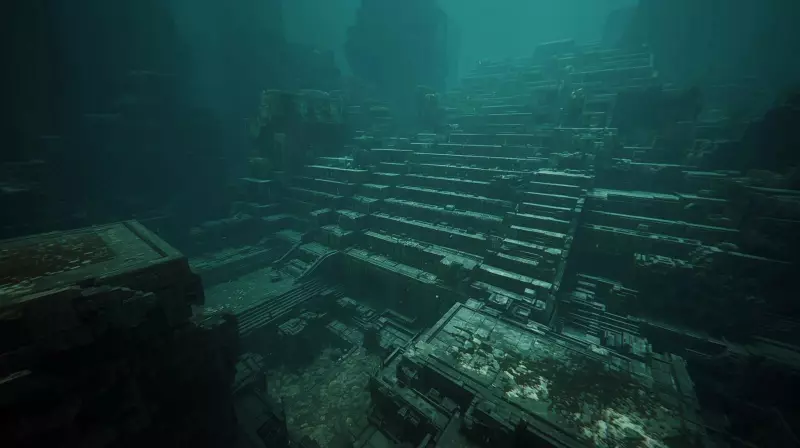
The Yonaguni Monument: Japan's Enduring Underwater Enigma
For nearly four decades, the waters surrounding Yonaguni Island have concealed a profound mystery that continues to captivate researchers, divers, and curious minds worldwide. In 1986, a local dive tour operator named Kihachiro Aratake made an extraordinary discovery while surveying dive spots near Yonaguni Jima. He observed large, geometrically shaped stone formations on the seabed that appeared distinctly different from the surrounding coral reef. This initial observation sparked what would become one of Japan's most intriguing underwater puzzles.
The Discovery That Changed Everything
Before Aratake's discovery, the area was primarily known for its strong ocean currents and seasonal hammerhead shark sightings. The finding transformed this remote location into a site of scientific inquiry and tourist fascination. The most prominent section of these submerged formations was informally named Iseki Hanto, or Ruins Point, reflecting the ongoing debate about their origins. The Yonaguni district eventually took formal ownership of the site, ensuring continued public access for recreational diving and research.
Examining the Monument's Structure
The primary structure, commonly called the Yonaguni Monument, measures approximately 100 meters by 60 meters and rises about 25 meters from the ocean floor. Its appearance is strikingly geometric, featuring flat surfaces, sharp angles, and stepped formations that contrast sharply with the surrounding natural rock. Surrounding this main structure are smaller angular formations, terraces, and what appear to be precisely cut edges.

To some observers, these features resemble man-made platforms, stairways, or even architectural foundations. Others interpret them as natural fracture patterns commonly found in sedimentary rock formations. The underwater environment adds another layer of complexity—changing light conditions, varying depths, and water clarity significantly influence how divers and researchers perceive the site, contributing to the ongoing uncertainty.
The Critical Question of Age
One of the most challenging aspects of the Yonaguni mystery involves determining its age. Geological estimates suggest the rock formations date back several thousand years, possibly even earlier. If human hands indeed carved or constructed these shapes, it would imply the existence of advanced building techniques in the region long before historically documented civilizations. This chronological gap has made many researchers understandably cautious.
While natural processes like erosion and seismic activity can create impressive geological formations, the consistency and scale of the Yonaguni structures are unusual. The absence of accompanying artifacts—such as tools, pottery, or other human-made objects—near the site further complicates the investigation rather than providing clarity.
Competing Theories and Speculations
Several theories have emerged to explain the Yonaguni Monument's origins. Some researchers maintain the formations are entirely natural, shaped over millennia by tectonic movements and erosion along existing rock planes. Others argue that human modification cannot be entirely ruled out, suggesting a possible combination of natural rock formations and later human shaping.
A more speculative perspective connects the site to the legendary lost civilization of Mu, said to have disappeared beneath the Pacific Ocean. While no archaeological evidence supports this theory, it continues to appear in popular accounts and tourism materials, adding to the site's mystique.
Visiting the Remote Yonaguni Island
Yonaguni Island remains one of the most remote inhabited islands in Okinawa Prefecture. According to the Japan National Tourism Organization, travelers can reach the island via three daily flights from Ishigaki Airport or one flight from Naha. A ferry operates twice weekly from Ishigaki, though the return journey occurs on a different day and takes over four hours.

The journey to Yonaguni is not for the faint-hearted—travel conditions can be challenging, and divers visiting the monument often encounter strong currents and limited bottom time. The monument itself offers no easy answers. It rests silently beneath the waves, shaped by time and nature, waiting for interpretation or perhaps destined to remain an eternal mystery.