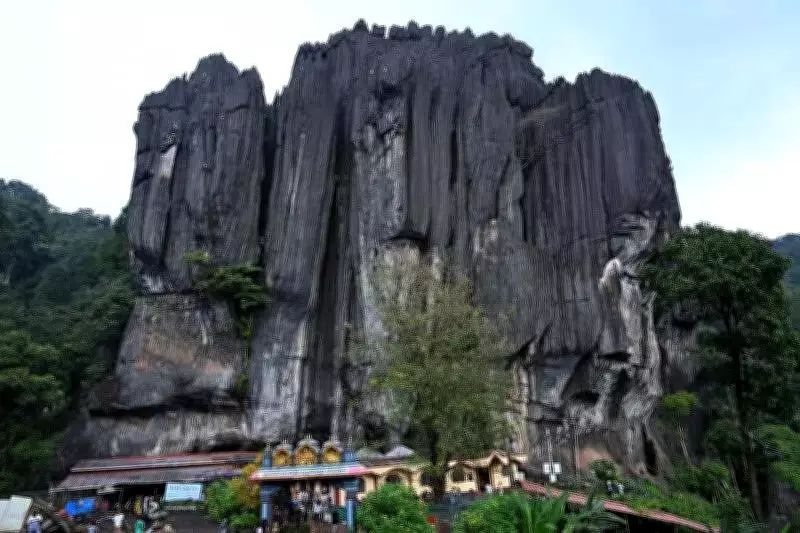
Yana Caves in Karnataka Designated as National Geoheritage Site by Geological Survey of India
The Geological Survey of India has officially declared the Yana Caves in Uttara Kannada district a geoheritage site of national importance, adding another significant landmark from the Western Ghats to India's growing list of protected geological treasures. This announcement was made during the celebration of GSI's 176th Foundation Day, positioning Yana among more than ninety sites across the country recognized for their exceptional geological and geomorphological value.
Ancient Geological Marvels
Located within dense forest terrain, the Yana rock formations are estimated to be approximately 2.7 billion years old and consist of Precambrian dolomitic limestone. In a formal communication to Chief Secretary Shalini Rajneesh, GSI Director General Asit Saha described Yana as "a remarkable example of landscape evolution shaped by tectonics, weathering, and karst processes." He emphasized that these formations developed over millions of years through intense tropical weathering and chemical dissolution, resulting in distinctive karst features that are scientifically significant.
Prominent Features and Cultural Significance
The site boasts sixty-one identified karst landforms, with Bhairaveshwara Shikhara standing at 120 meters and Mohini Shikhara at 90 meters as the most prominent structures. These towering black monoliths are not only geological wonders but also hold deep cultural and mythological importance for local communities, serving as important pilgrimage destinations that attract both devotees and nature enthusiasts.

Conservation Goals and Tourism Promotion
Officials from the Geological Survey of India stated that the designation aims to strengthen geoconservation efforts while simultaneously promoting scientific awareness and sustainable tourism. The geoheritage tag is expected to enhance the site's visibility and encourage responsible visitation patterns that balance educational value with preservation needs.
Environmental Concerns and Tourism Impact
Environmental activists have expressed serious concerns about the potential negative impacts of increased tourism. Conservationist Dinesh Holla pointed out that the Yana formations are unique across the entire 1,600-kilometer stretch of the Western Ghats in both structure and origin. He warned that rising tourist numbers, particularly visitors detouring from nearby Gokarna, have already begun affecting the site's pristine condition.
"Social media-driven interest has surged significantly after the pandemic," Holla observed, noting that while most visitors respect the temple areas, many venture beyond designated paths and attempt to climb the steep rock surfaces, causing gradual but cumulative damage to the fragile formations.
Infrastructure Development Warnings
Holla also cautioned against unchecked tourism infrastructure development, including air-conditioned homestays and commercial activities that could disrupt the delicate ecosystem surrounding the caves. While acknowledging that the geoheritage designation will likely increase attention to the site, he stressed the urgent need for strict regulatory measures to preserve Yana's ecological integrity and prevent irreversible damage from unsustainable tourism practices.
The Geological Survey of India's recognition represents a significant step toward formal protection for these ancient geological formations, but it also highlights the complex challenge of balancing conservation with accessibility in India's rapidly developing tourism landscape.