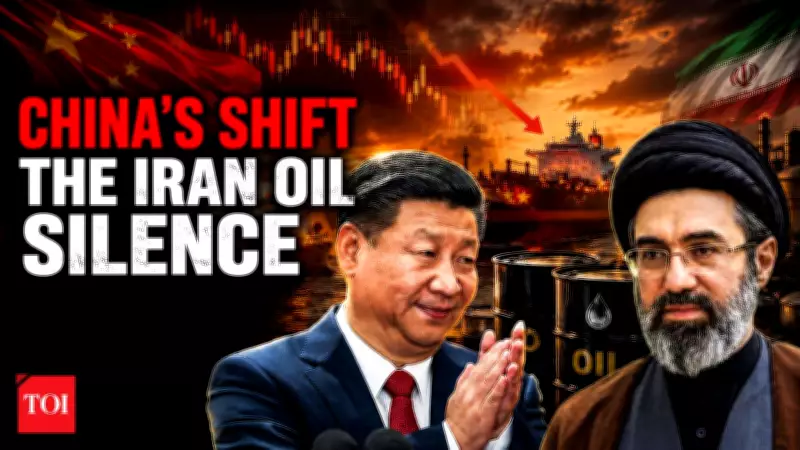
Iran and China built one of the most consequential energy alliances in the world, sustained by a shadow fleet and heavily discounted crude oil. Despite an escalating crisis in the Strait of Hormuz, China's oil imports have unexpectedly plummeted to a decade low.
Three Critical Reasons Behind the Shift
Strategic Petroleum Reserves
China has been filling its strategic petroleum reserves for years. With storage now near capacity, the need for additional imports has diminished significantly. This is a key factor in the reduced flow of Iranian oil.
Domestic Refinery Cutbacks
Severe cutbacks in Chinese refinery operations have also contributed to lower import demand. Many refineries are undergoing maintenance or reducing output due to weaker domestic demand and environmental regulations.

Electric Vehicle Revolution
The explosive growth of electric vehicles in China is permanently altering global fuel demand. As more consumers switch to EVs, the need for gasoline and diesel declines, reducing the overall requirement for crude oil imports.
This structural change represents a major turning point in global energy consumption. Tehran faces an incredibly uncertain economic future as its largest customer reduces purchases. The implications for the Middle East and global oil markets are profound.