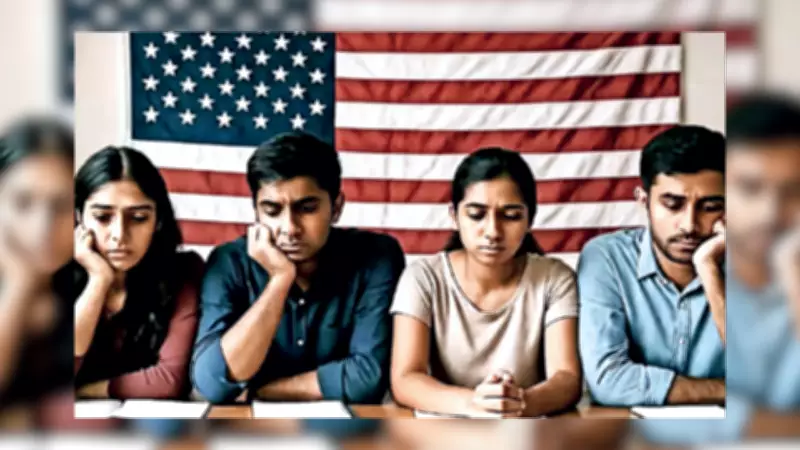
VIJAYAWADA: While higher studies abroad and the 'American Dream' appear promising for Indians, changing circumstances are now causing nightmares for Telugu students in the United States. Students who took education loans to study overseas are facing severe difficulties due to a less favorable US job market. Additionally, modifications to visa rules introduced by the Trump administration have further aggravated their situation.
Rising Debt Burden
The Telugu diaspora believes that the recent suicide of Kurnool student Chandu Iraganaboyina in Chicago starkly highlights the harsh realities faced by the student community in the US, particularly those grappling with debt. According to unofficial estimates, approximately 90% of students who go to America have some form of loan to repay. G Sharath Chandra, who is struggling to repay a loan of Rs 40 lakh, explains, "It could be an education loan from a bank or other financial institution, or debt from known sources. Very few move to the US debt-free and with their own resources."
Loan Repayment Challenges
Although education loans offer convenient delayed repayment schedules, servicing debt becomes difficult once the EMI schedule begins. Most education loans come with a two-year disbursement period and a one-year grace period, with repayment starting in the third year. B Sankeerthana, a student from Nellore in the US, notes that one must secure a job by the time EMIs commence to manage expenses and repay the loan.

Akhil Gurutej, a student based in Dallas, reports that 30% of students who moved to the US after 2021 are struggling without a job. Some are working part-time to make ends meet but remain under significant financial pressure to pay off their loans.
Silent Suffering
Many students endure their hardships in silence, unable to confide in their parents about their grim financial situation. G Sumanth from California explains, "It is a general norm in our society that those in the US should send money home. Even otherwise, people feel guilty depending on their parents, who have already spent huge amounts on their education. This guilt prevents them from discussing their plight."
The situation underscores the urgent need for better financial planning and support systems for international students facing economic challenges abroad.