UN Security Council Weighs Emergency Session Over Strait of Hormuz
The United Nations Security Council is poised to hold an emergency meeting as early as today, following mounting international support for a resolution addressing the escalating situation in the Strait of Hormuz. The strategic waterway, through which nearly a fifth of the world's oil passes, has become a flashpoint in recent weeks, with a series of incidents involving tankers and naval vessels raising fears of a broader conflict.
Growing Diplomatic Momentum
Diplomatic sources indicate that several member states have formally requested the emergency session, citing the need for collective action to de-escalate tensions and ensure freedom of navigation. The proposed resolution, which has gained traction among both Western and Gulf nations, calls for a cessation of hostilities and a return to diplomatic negotiations. The United States, a key player in the region, has expressed strong support for the measure, while Iran has warned against any interference in what it considers its sovereign waters.
Strategic Importance of the Strait
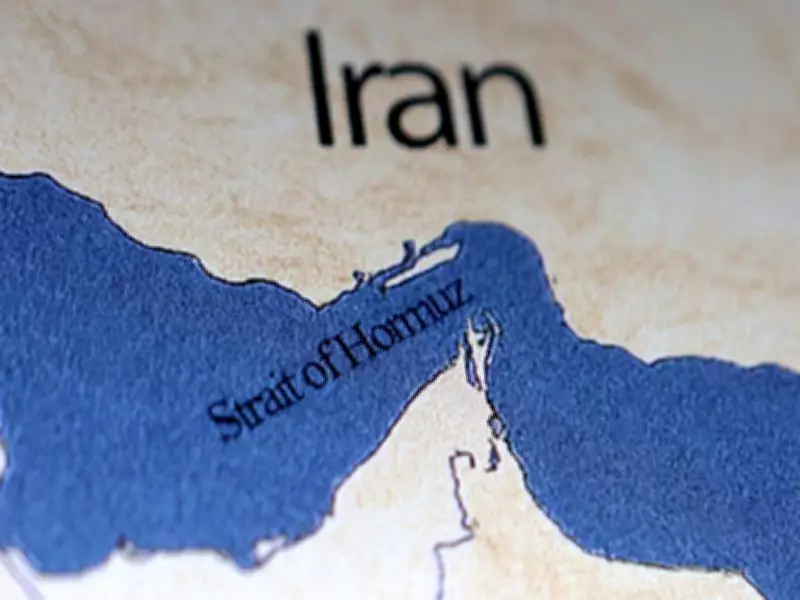
The Strait of Hormuz, connecting the Persian Gulf to the Gulf of Oman, is one of the world's most critical chokepoints for oil shipments. Any disruption to traffic through the strait could have severe repercussions for global energy markets, potentially driving up prices and triggering economic instability. The recent spike in tensions, including the seizure of tankers and the deployment of additional military assets by both Iran and the United States, has underscored the fragility of the situation.

International Reactions
The European Union and several Asian nations, heavily reliant on Gulf oil, have urged restraint and called for a multilateral approach to resolving the crisis. Russia and China, both permanent members of the Security Council, have advocated for dialogue but have expressed reservations about any resolution that might impose sanctions or authorize the use of force. Meanwhile, Gulf Cooperation Council states have backed the emergency meeting, emphasizing the need to protect maritime security.
Potential Outcomes
If the Security Council convenes, it will consider a range of options, including a binding resolution under Chapter VII of the UN Charter, which could authorize measures such as economic sanctions or a naval escort mission. However, any such move would require the support of all five permanent members, making it a politically delicate endeavor. A less ambitious approach might involve a presidential statement urging restraint and encouraging mediation efforts by the UN Secretary-General.
The emergency meeting, if held, would mark a significant escalation in the international response to the Strait of Hormuz crisis. Observers warn that failure to reach a consensus could embolden further unilateral actions, increasing the risk of a military confrontation. As the world watches, the Security Council faces a critical test of its ability to maintain peace and security in a region already scarred by decades of conflict.