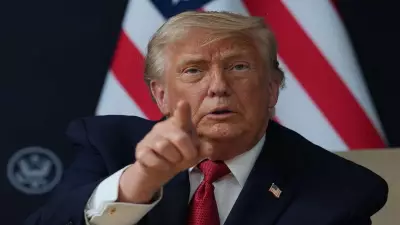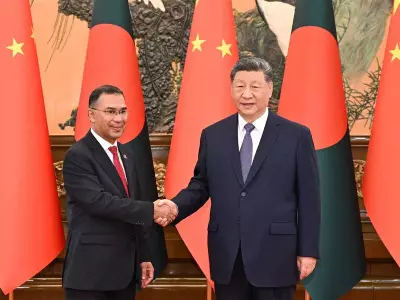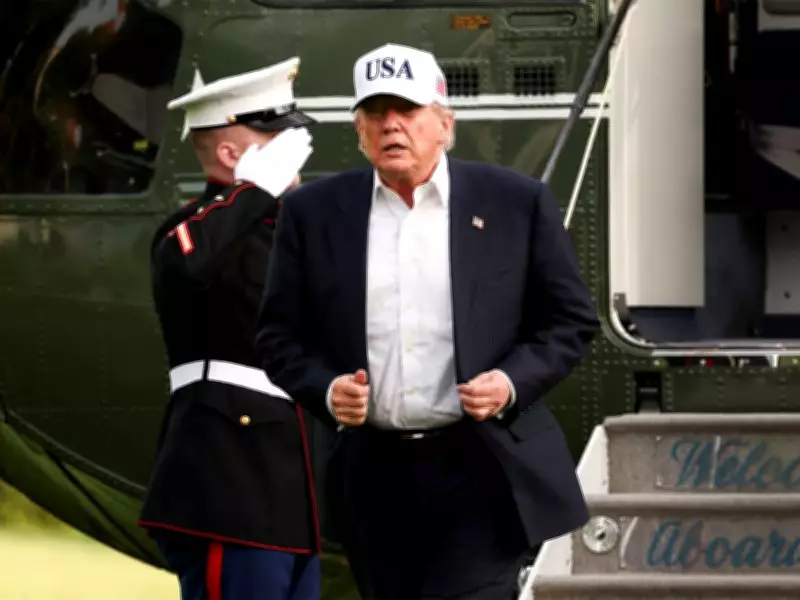
Former United States President Donald Trump has stated that during Chinese President Xi Jinping's recent visit, Xi agreed that Iran cannot be allowed to possess nuclear weapons and that the Strait of Hormuz must remain open for international navigation. Trump made these remarks in a statement following his meeting with Xi, emphasizing the importance of maintaining stability in the Middle East and preventing nuclear proliferation.
Key Points of Agreement
According to Trump, the discussion centered on two critical issues: Iran's nuclear ambitions and the freedom of navigation through the Strait of Hormuz, a vital waterway for global oil shipments. Trump claimed that Xi expressed a shared understanding that a nuclear-armed Iran would destabilize the region and threaten global security. Additionally, both leaders reportedly agreed on the necessity of keeping the Strait of Hormuz open to ensure the free flow of oil and other goods.
Implications for US-China Relations
The former president's comments come amid ongoing tensions between the US and China over trade, technology, and geopolitical influence. Trump portrayed the agreement as a sign of cooperation between the two nations on key international issues. However, no official confirmation has been provided by the Chinese government regarding the specifics of the conversation.

Analysts suggest that if accurate, the agreement could signal a shift in China's stance on Iran, as Beijing has historically maintained diplomatic and economic ties with Tehran. The Strait of Hormuz is a critical chokepoint, through which about 20% of the world's oil passes. Any disruption could have severe consequences for the global economy.
Reactions and Next Steps
The statement has drawn mixed reactions from political circles. Some have praised the potential for US-China cooperation on security issues, while others remain skeptical, noting Trump's tendency to make bold claims without evidence. The Biden administration has not officially commented on Trump's remarks. Meanwhile, Iran has reiterated its position that its nuclear program is for peaceful purposes and has warned against any interference in the Strait of Hormuz.
As the situation develops, the international community will be watching for any concrete actions from both Washington and Beijing to address these critical issues. The prospect of a unified front against Iran's nuclear program could reshape diplomatic dynamics in the Middle East.