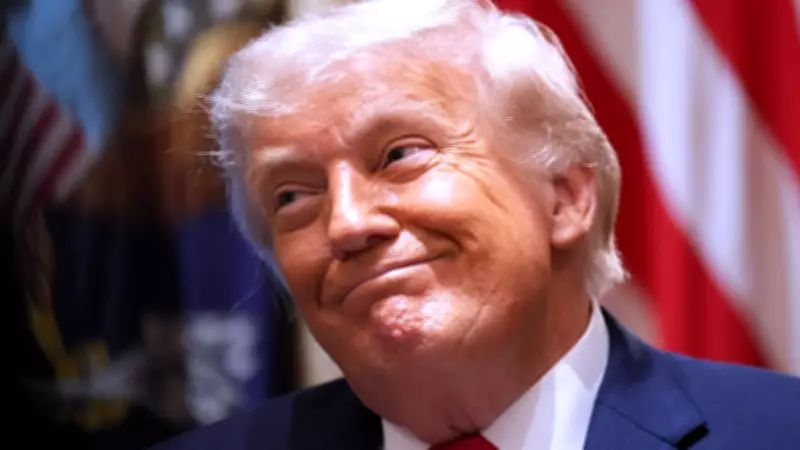
US President Donald Trump has indicated that he will probably meet Iran's Supreme Leader Ayatollah Ali Khamenei at some point, following reports that Iran has agreed not to develop nuclear weapons. This potential meeting marks a significant shift in US-Iran relations, which have been tense for decades.
Trump's Statement on Meeting Ayatollah
Speaking to reporters at the White House, Trump said, 'I think we will probably meet at some point. Iran has agreed not to have a nuclear weapon, and that is a great thing for the world.' He did not provide a specific timeline but emphasized that diplomacy is progressing.
Iran's Nuclear Pledge
According to sources, Iran has assured the international community that it will not seek nuclear weapons. This commitment could pave the way for the lifting of sanctions and improved economic ties. Trump praised the development, calling it 'a victory for peace.'

The US President also reiterated his willingness to engage in direct talks with Iranian leadership, a stark contrast to his previous administration's 'maximum pressure' campaign. 'We are making progress. They want to make a deal, and so do we,' Trump added.
Reactions and Implications
The announcement has drawn mixed reactions. Supporters argue that dialogue is essential for stability in the Middle East, while critics express skepticism about Iran's intentions. Some experts note that Iran's nuclear program has been a major point of contention, and any agreement must be verifiable.
Regional and Global Impact
A potential meeting between Trump and Khamenei would be historic, as no US president has met with an Iranian supreme leader since the 1979 Islamic Revolution. Such a meeting could reshape alliances and influence oil markets, given Iran's role as a major oil producer.
The White House has not confirmed a date or location for the possible meeting. However, Trump's statement signals a new chapter in US foreign policy, focusing on negotiation rather than confrontation.