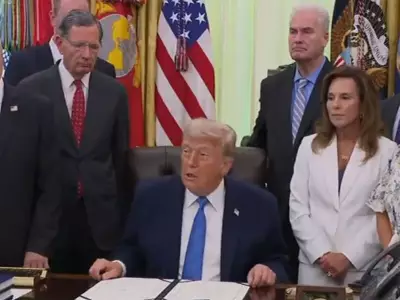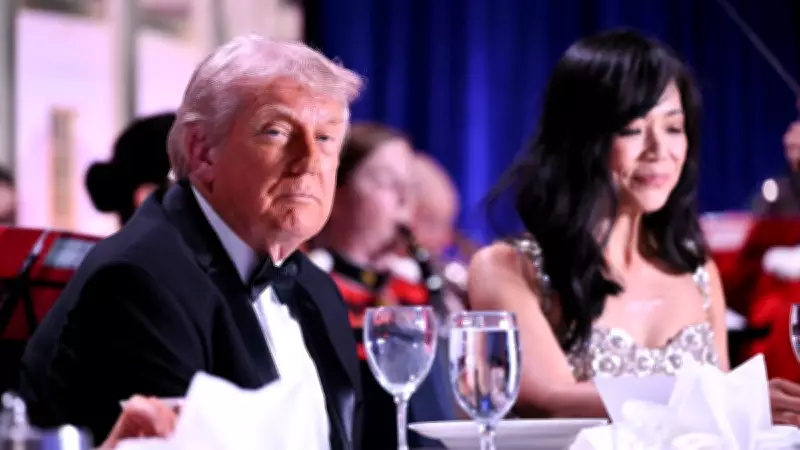
President Donald Trump was abruptly evacuated from the White House press dinner on Saturday evening after gunshots were heard in the vicinity of the event. The incident, which occurred at approximately 9:30 PM, sent shockwaves through the gathering of journalists, politicians, and dignitaries.
Details of the Incident
Witnesses reported hearing multiple gunshots that appeared to originate from outside the secure perimeter of the White House. Secret Service agents immediately surrounded President Trump and escorted him to a secure location. The dinner was halted as attendees were instructed to remain inside the ballroom while law enforcement conducted a sweep of the area.
Response from Officials
White House press secretary Sarah Sanders later confirmed that the president was safe and had been moved to an undisclosed secure facility. The Secret Service issued a statement saying that the situation was under control and that an investigation was underway. No injuries were reported, and the nature of the gunfire remains unclear.

Security Concerns
The event highlights persistent security challenges at high-profile White House functions. This is not the first time that gunfire has disrupted events in the nation's capital. In 2023, a similar incident occurred near the Capitol during a congressional baseball game. Experts emphasize the need for heightened vigilance and improved coordination between law enforcement agencies.
Reactions and Aftermath
Journalists attending the dinner expressed shock and concern. Many took to social media to describe the chaotic scene. The White House Correspondents' Association issued a statement thanking the Secret Service for their swift action and assuring the public that all attendees were safe.
The incident is under investigation by the Secret Service and local police. Authorities have not released any information about suspects or motives. The White House has not yet announced whether the press dinner will be rescheduled.
This event serves as a stark reminder of the security threats that persist in Washington, D.C., and the importance of robust protective measures for national leaders and public events.