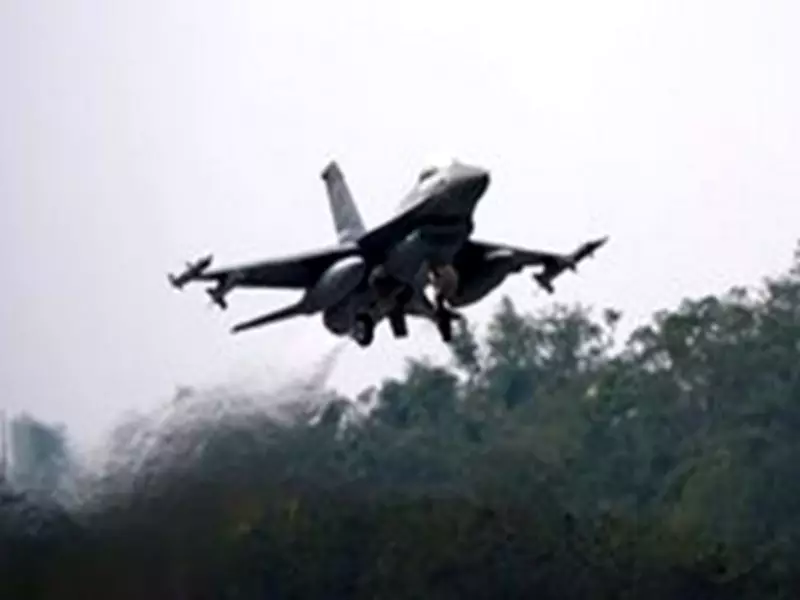
Taiwan's Ministry of National Defense has reported a significant surge in Chinese military activity around its territory, with the detection of 26 People's Liberation Army (PLA) aircraft and six naval vessels operating in the vicinity. This development underscores the ongoing tensions in the Taiwan Strait, a region that has become a focal point of geopolitical friction between China and Taiwan, as well as with international observers.
Details of the Military Movements
The Taiwanese defense authorities closely monitored the movements, which occurred over a specified period, though exact timings were not disclosed in the initial report. The sorties by the PLA aircraft and the presence of naval vessels are part of what China describes as routine exercises, but Taiwan views them as provocative actions aimed at asserting dominance and testing its defensive capabilities.
Types of Aircraft and Vessels Involved
While the specific models of the aircraft and vessels were not detailed in the announcement, such activities typically involve a mix of fighter jets, bombers, reconnaissance planes, and support aircraft from the PLA Air Force. The naval vessels likely include destroyers, frigates, and possibly submarines, reflecting a comprehensive military posture by China in the area.

Context of Rising Tensions
This incident is not isolated; it follows a pattern of increased Chinese military maneuvers near Taiwan, which Beijing claims as part of its territory under the One-China policy. Taiwan, however, maintains its own government and military, and has repeatedly called for peace and stability in the region. The recent sorties come amid broader geopolitical shifts, including heightened U.S.-China relations and regional security concerns.
Taiwan's Response and Preparedness
In response to the detected activities, Taiwan's military has been on high alert, deploying its own air and naval assets to monitor the situation. The defense ministry emphasized that all movements were tracked and that appropriate measures were taken to ensure national security. This includes the use of radar systems, patrols, and communication with allied nations to share intelligence.
International Reactions and Implications
The increased military presence has drawn attention from global powers, with countries like the United States and Japan expressing concern over potential escalations. Such activities could impact regional stability, trade routes, and diplomatic efforts, making it a critical issue in international forums. Analysts warn that continued provocations might lead to miscalculations or conflicts, urging dialogue and restraint from all parties involved.
Overall, the detection of 26 PLA aircraft and six naval vessels by Taiwan highlights the fragile security environment in the Taiwan Strait. As both sides navigate these tensions, the world watches closely, hoping for peaceful resolutions amidst the complex dynamics of sovereignty and power in the Asia-Pacific region.