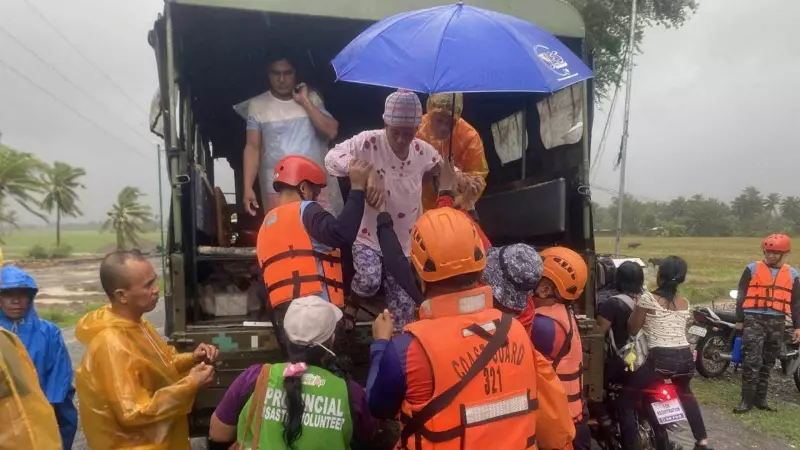
Super Typhoon Fung-Wong has unleashed catastrophic damage across the northern Philippines, claiming at least six lives and triggering massive flooding that has submerged entire communities. The powerful storm made landfall on Tuesday, bringing torrential rains and destructive winds that have left a trail of devastation.
Deadly Impact and Widespread Destruction
The typhoon's fury has resulted in six confirmed fatalities as rescue teams continue to assess the full extent of the damage. Among the victims were individuals who tragically drowned in rapidly rising floodwaters, while others perished due to storm-related accidents. Emergency services are working around the clock to reach affected areas, though many regions remain inaccessible due to flooded roads and damaged infrastructure.
Massive evacuation efforts have been underway, with thousands of residents forced to flee their homes in low-lying and coastal communities. The typhoon's intense rainfall has caused rivers to overflow their banks, submerging residential areas and agricultural lands under several feet of water. Critical infrastructure including power lines, communication networks, and transportation routes have suffered significant damage, complicating relief operations.
Emergency Response and Rescue Operations
Philippine authorities have mobilized all available resources to respond to the crisis. The National Disaster Risk Reduction and Management Council has been coordinating rescue missions across the hardest-hit provinces. Military personnel and emergency response teams have been deployed with boats and amphibious vehicles to reach stranded residents.
Local government units have established multiple evacuation centers to accommodate displaced families, though many facilities are reportedly overwhelmed by the sheer number of people seeking shelter. Essential supplies including food, clean water, and medical aid are being distributed, but officials acknowledge that reaching all affected communities remains challenging.
Regional Impact and Weather Forecast
Super Typhoon Fung-Wong continues to move across the region, maintaining its strength as it affects multiple provinces. Weather experts have issued continued warnings for heavy rainfall and potential landslides in mountainous areas. Coastal regions face additional threats from storm surges that could exacerbate flooding conditions.
The Philippine Atmospheric, Geophysical and Astronomical Services Administration (PAGASA) has maintained its highest warning signals for several areas, urging residents to remain vigilant and follow evacuation orders. Meteorologists predict that the typhoon will gradually weaken as it moves away from the Philippine landmass, but caution that the threat of flooding remains high due to saturated ground conditions.
This latest natural disaster highlights the increasing frequency and intensity of tropical storms affecting the Philippines, a nation particularly vulnerable to climate change impacts. The government has emphasized the importance of disaster preparedness and early warning systems in minimizing casualties during such extreme weather events.