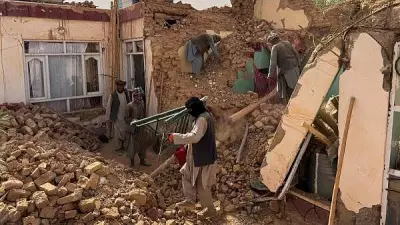
Super Typhoon Fengweng has unleashed its fury upon the northern Philippines, resulting in a tragic death toll of at least seven people. The powerful storm made landfall, bringing catastrophic winds and torrential rains that have triggered widespread flooding and landslides across the region.
Casualties and Widespread Damage
The national disaster agency confirmed the devastating human cost on Sunday, revealing that seven individuals have lost their lives due to the typhoon's impact. The scale of the disruption is immense, with rescue teams working tirelessly to reach affected communities. In a significant evacuation effort, over 2,600 people were forced to flee their homes in Ilocos Norte province alone, seeking refuge from the storm's wrath.
Infrastructure has suffered severe blows, particularly in the mountainous Cordillera region. Here, a major landslide caused substantial damage to a critical bridge, severing a vital transportation link and hampering relief operations. The sheer force of Fengweng was felt intensely, with the state weather service recording maximum sustained winds of 175 kilometers per hour as it approached the coast. Gusts were even more powerful, reaching terrifying speeds of up to 240 kph.
A Nation's Response to the Calamity
In the face of this natural disaster, the Philippine government has mounted a large-scale response. The Coast Guard took the precautionary measure of suspending sea travel, stranding thousands of passengers at various ports. This decision, while disruptive, was crucial for preventing maritime tragedies.
The financial capital, Manila, though not directly in the typhoon's path, experienced heavy rainfall and strong winds, causing localized flooding and travel chaos. The social welfare department is actively providing emergency assistance to the tens of thousands of families whose lives have been upended. The aftermath of Fengweng is a stark reminder of the vulnerability of archipelago nations to the increasing intensity of tropical storms.
The Regional Context and Climate Concerns
The Philippines, situated in the seismically active Pacific Ring of Fire, is no stranger to natural disasters. It routinely braces for approximately 20 major storms each year. However, scientists have repeatedly warned that the climate crisis is amplifying the strength and destructive potential of these weather systems.
Super Typhoon Fengweng follows a pattern of increasingly severe meteorological events in Southeast Asia, raising urgent questions about disaster preparedness and climate resilience in vulnerable coastal and island communities. The recovery process for the affected regions is expected to be long and challenging, requiring sustained national and international support.