Sri Lanka Implements Fuel Rationing Amid West Asia Conflict Fallout
The government of Sri Lanka has officially rolled out a comprehensive fuel rationing system across the nation, a direct response to severe shortages exacerbated by the ongoing conflict in West Asia. This strategic move aims to stabilize the domestic fuel supply and mitigate the economic repercussions of global disruptions.
Escalating Crisis and Government Response
In recent weeks, Sri Lanka has faced mounting challenges due to dwindling fuel reserves, largely attributed to the protracted conflict in West Asia, which has severely disrupted international oil supply chains. The government, recognizing the urgency of the situation, has implemented a rationing framework that allocates specific fuel quotas to various sectors, including transportation, industry, and households.
This measure is designed to prevent hoarding and ensure equitable distribution, particularly as the conflict continues to strain global energy markets. Officials have emphasized that the rationing system is a temporary but necessary step to navigate the current crisis, with plans to reassess based on future developments in West Asia and international oil prices.

Impact on Daily Life and Economy
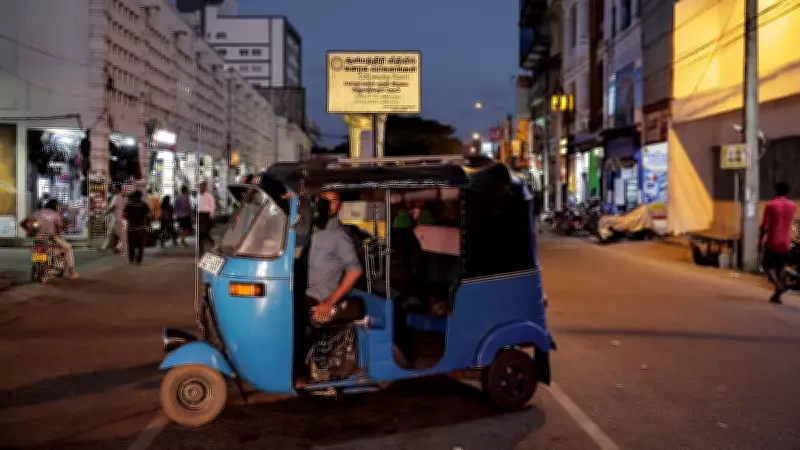
The fuel rationing has already begun to affect daily life in Sri Lanka, with long queues reported at petrol stations and concerns over increased transportation costs. The economic implications are significant, as industries reliant on fuel for operations face potential slowdowns, and consumers grapple with rising prices for goods and services.
Key sectors such as tourism and agriculture are particularly vulnerable, given their dependence on consistent fuel access. The government has assured the public that efforts are underway to secure alternative fuel sources and enhance domestic energy resilience, but the ongoing conflict in West Asia remains a critical variable in the equation.
Regional and Global Context
Sri Lanka's fuel crisis is part of a broader pattern of economic instability in the region, influenced by global geopolitical tensions. The conflict in West Asia has not only disrupted oil supplies but also contributed to inflationary pressures worldwide, affecting nations like Sri Lanka that import a substantial portion of their fuel.
Analysts note that while the rationing system provides short-term relief, long-term solutions will require diplomatic engagement and diversification of energy imports. The situation underscores the interconnectedness of global economies and the far-reaching effects of regional conflicts on smaller nations.
Looking Ahead
As Sri Lanka navigates this challenging period, the government is monitoring the conflict in West Asia closely and exploring partnerships with other oil-producing countries to stabilize fuel imports. Public cooperation with the rationing system is deemed essential to prevent further economic strain.
The rollout of fuel rationing marks a critical juncture in Sri Lanka's response to external shocks, highlighting the need for adaptive policies in an increasingly volatile global landscape. Stakeholders are urged to remain vigilant as developments unfold, with hopes for a resolution to the West Asia conflict that could alleviate pressure on fuel supplies.