Sri Lanka has once again prolonged its state of public emergency, a critical measure granting the government expanded powers. The extension was confirmed on Sunday, 28 December 2025, continuing a framework often used during periods of perceived national crisis.
Legal Framework and Presidential Powers
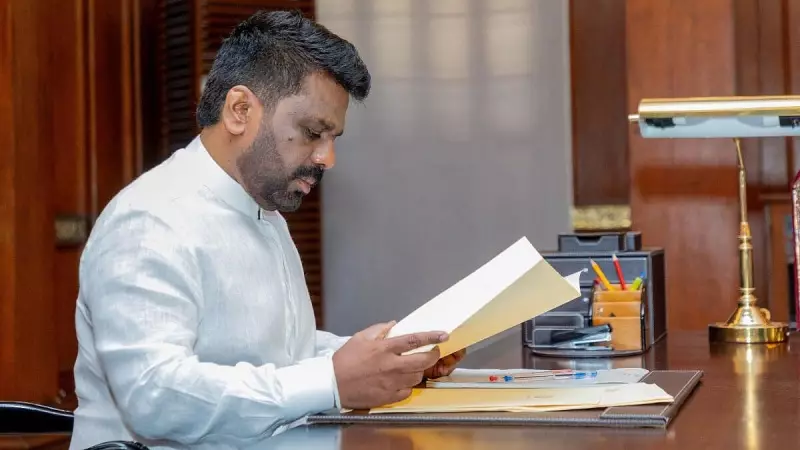
Under Sri Lankan law, the nation's president holds the authority to declare a state of public emergency. However, this power is not absolute and comes with significant constitutional checks. The declaration is limited to one month at a time. While it can be renewed on a monthly basis, a crucial step must follow: the emergency must be presented to and ratified by the country's parliament within one week of its imposition or extension.
This system is designed to balance executive action with legislative oversight, ensuring that such serious measures do not continue without the consent of the people's representatives. The latest extension, announced on 28 December 2025, now faces this parliamentary test.
Implications and Next Steps
The continuation of the emergency state signifies ongoing concerns about stability or security within the island nation. Such declarations typically grant authorities wider powers for detention, search, and seizure, and can limit certain civil liberties in the interest of public safety.
The immediate focus now shifts to the Sri Lankan parliament. Legislators have a narrow window to debate and vote on the emergency proclamation. Their decision will determine whether the extended measures stand or fall. This process, mandated to occur within a week of the president's announcement, is a key democratic safeguard.
A Recurring Measure in Challenging Times
The use of emergency provisions has been a recurring feature in Sri Lanka's recent history, often deployed during economic crises, periods of civil unrest, or threats to national security. Each extension requires the same parliamentary validation, keeping the executive's power in check.
As of the update on 28 December 2025 at 16:58 IST, the situation remains in flux pending parliamentary action. The world watches to see how Sri Lanka's democratic institutions manage this balance between security and liberty during a declared state of emergency.