The Philippines has initiated massive evacuation efforts, relocating approximately 100,000 residents from vulnerable coastal and mountainous regions as Super Typhoon Fung-Wong approaches the archipelago nation. The powerful storm system, known locally as Typhoon Kambal, poses significant threats of torrential rains, destructive winds, and potential flooding across multiple regions.
Mass Evacuation and Emergency Preparations
Government agencies across the Philippines have been working tirelessly to move residents to safer ground ahead of the typhoon's expected landfall. The massive evacuation operation targets approximately 100,000 people living in high-risk areas, particularly those susceptible to flooding and landslides. Emergency shelters have been established in schools, government buildings, and other secure locations to accommodate the displaced population.
According to the Philippine Atmospheric, Geophysical and Astronomical Services Administration (PAGASA), the typhoon continues to gain strength as it moves closer to the country's main islands. Weather officials have issued severe weather warnings for several provinces, emphasizing the potential for life-threatening conditions.
Storm Characteristics and Expected Impact
Super Typhoon Fung-Wong, carrying the international name Kambal, represents one of the most powerful storm systems to threaten the Philippines this season. Meteorological data indicates the typhoon packs sustained winds of up to 185 kilometers per hour, with gusts reaching even higher velocities. The storm's wide rainfall band is expected to dump torrential rains measuring between 100 to 200 millimeters across affected regions.
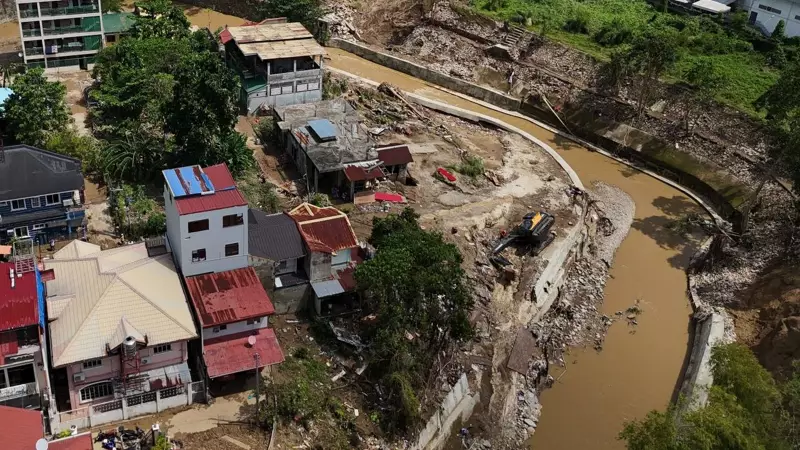
The combination of heavy precipitation and strong winds creates multiple hazards, including flash floods, landslides in mountainous terrain, and storm surges in coastal communities. Agricultural areas face potential devastation, while infrastructure including power lines, roads, and communication networks may suffer significant damage.
Government Response and Safety Measures
Philippine authorities have activated disaster response protocols at both national and local levels. The National Disaster Risk Reduction and Management Council (NDRRMC) continues to coordinate evacuation efforts and resource distribution. Emergency teams, including search and rescue personnel, have been placed on high alert in regions expected to bear the brunt of the typhoon.
Local government units have been instructed to implement preemptive evacuation in geohazard areas, particularly those identified as highly susceptible to landslides and flash floods. Coastal communities have received specific warnings about potential storm surges that could reach several meters in height, posing grave danger to residents in low-lying areas.
The Philippine Coast Guard has restricted maritime activities, suspending sea travel in affected regions and advising fishing communities to secure their vessels. Multiple domestic flights have been canceled as a precautionary measure, while emergency supplies including food, water, and medical resources are being prepositioned in strategic locations.
Meteorologists continue to monitor the typhoon's trajectory closely, providing regular updates to help guide the government's response and keep the public informed. Residents in the storm's path are advised to remain vigilant, follow evacuation orders, and prepare emergency kits containing essential supplies to last several days.