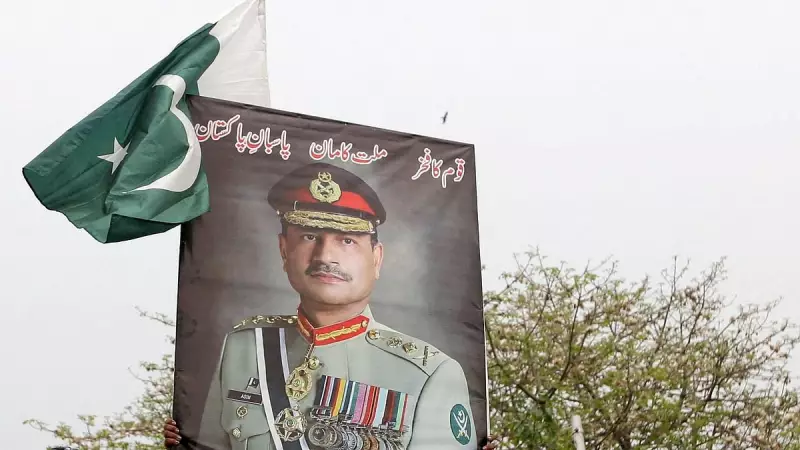
In a significant development that marks a major shift in Pakistan's military hierarchy, Army Chief General Asim Munir has been appointed as the supreme leader of all defence forces. This historic restructuring represents one of the most substantial changes to Pakistan's military command structure in recent years.
What the Amendment Entails
The recent amendment to Pakistan's military protocol officially designates Field Marshall Asim Munir as the top leader across all three branches of the armed forces. This consolidation of authority gives him unprecedented command over the army, navy, and air force simultaneously.
The decision, announced on 10 November 2025, fundamentally alters the traditional chain of command within Pakistan's defence establishment. Rather than maintaining separate leadership structures for each service branch, the new system centralizes authority under a single supreme commander.
Historical Context and Significance
This military overhaul represents a departure from Pakistan's conventional defence organization. Previously, while the Army Chief typically held the most influential position among service chiefs, each branch maintained considerable autonomy in its operations and decision-making processes.
The elevation of General Asim Munir to this supreme position consolidates military power in a manner unprecedented in Pakistan's modern history. The timing of this announcement, coming amid regional security challenges, suggests a strategic move toward unified command and streamlined decision-making in defence matters.
Potential Implications and Regional Impact
This restructuring is likely to have far-reaching consequences for Pakistan's domestic politics and its standing in regional security dynamics. A unified military command could lead to more coordinated responses to security threats but also raises questions about the balance of power between civilian and military institutions.
The international community, particularly neighbouring countries including India, will be closely monitoring how this consolidated command structure affects regional stability and cross-border security cooperation. The move comes at a time when the South Asian region faces multiple security challenges that require coordinated military responses.
As Pakistan navigates this significant transition in its military leadership structure, the world watches to see how Field Marshall Asim Munir will exercise his expanded authority and what this means for the future of Pakistan's defence policy and regional security architecture.