

A smartphone smuggled out of North Korea has provided unprecedented insight into the regime's extreme digital control over its citizens. Obtained by the BBC in late 2024 through networks of defectors and analysed by technical experts, the device reveals a deeply modified Android operating system that acts as a direct tool for state surveillance and ideological enforcement.
The Illusion of a Normal Phone
Externally, the device looks like any other modern smartphone. Internally, it is a different story. The phone runs a heavily customised version of Android, engineered to function as an extension of the North Korean state. Internet access is completely non-existent. Users are confined to Kwangmyong, the country's sealed national intranet, which hosts only government-approved content and has zero connection to the global internet.
Every application, function, and even text input is subject to monitoring and filtering. Attempting to modify the device to access external information is considered a serious crime. As the BBC reported, these phones are embedded with tools designed to enforce state ideology, perpetuate hostility towards South Korea, and monitor every digital move a citizen makes.

Real-Time Language Rewriting and Constant Surveillance
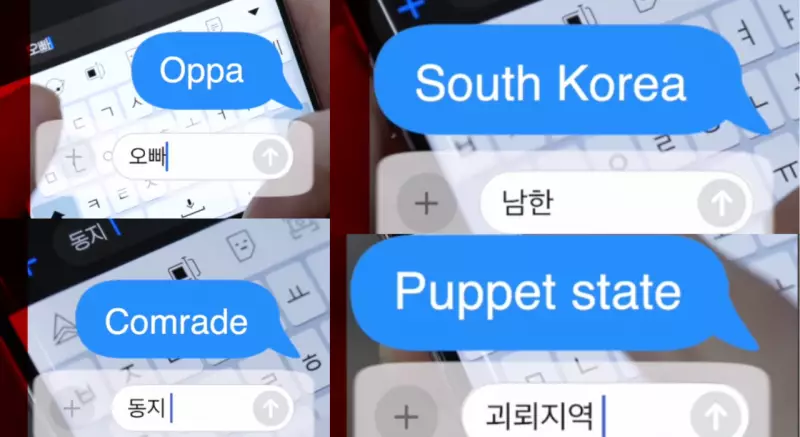
One of the most startling discoveries is the phone's automatic language correction feature. In BBC footage, Seoul correspondent Jean Mackenzie demonstrated how typing common South Korean terms triggers instant changes. For instance, typing "oppa" (a term for boyfriend) sees the phone automatically replace it with "comrade." A warning then pops up, stating the word should only be used for siblings.
Similarly, typing "South Korea" forces the phrase to change to "puppet state," the regime's official derogatory term for its neighbour. These corrections are mandatory and cannot be overridden by the user.
Perhaps more chilling is the background surveillance feature. The phone automatically captures a screenshot of the screen every five minutes. These images are saved in a hidden folder that users can see but cannot access. The BBC noted that it appears only government officials can retrieve these images, creating a visual log of daily activity without the user's knowledge or consent.
A Nation Sealed Off and the Smuggled Hope
This smartphone technology mirrors North Korea's broader national policy of absolute information control. North Korea remains the only country in the world virtually untouched by the global internet. All television channels, radio stations, and newspapers are state-run.
Martyn Williams, an expert on North Korean technology, explained the rationale behind this control: much of the mythology surrounding the ruling Kim family is fabricated, and the state's narrative relies on falsehoods that must be protected from external challenge.
Despite the draconian controls, foreign media finds its way in. Thousands of USB sticks and micro-SD cards are smuggled across the border every month, loaded with South Korean films, dramas, K-pop, and news. This content is deliberately chosen to counter state propaganda. Lee Kwang-baek of the Unification Media Group shared that some North Koreans report crying while watching these dramas and thinking about their own dreams for the first time.
The stark contrast is highlighted by those who have escaped. Kang Gyuri, 24, who fled to South Korea in 2023, reflected on her past life, saying she once believed such extreme state restriction was normal everywhere. She later realised, "it was only in North Korea." The smuggled smartphone stands as a powerful testament to that isolated reality.






