Nepal Elections: Rastriya Swatantra Party Takes Early Lead in 23 Seats
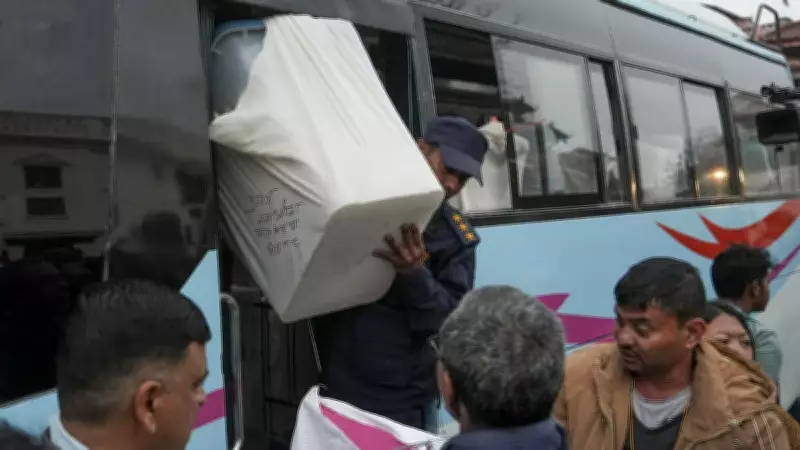
Initial results from Nepal's recent elections have begun to emerge, revealing a significant development in the country's political arena. According to early counts, the Rastriya Swatantra Party (RSP) is currently leading in 23 seats, marking a notable performance that could reshape the parliamentary dynamics.
Early Trends and Political Implications
The preliminary data suggests that the RSP, a relatively new political entity, is making substantial inroads in the electoral process. This early lead in 23 seats highlights a potential shift away from traditional parties and signals a growing appetite for change among Nepali voters. Analysts are closely monitoring these trends to assess the broader implications for governance and policy-making in Nepal.
Key factors contributing to this development include:

- Public dissatisfaction with established political groups
- The RSP's focus on anti-corruption and reform agendas
- Increased voter turnout in key constituencies
Context of the Elections and Regional Significance
These elections are a critical component of Nepal's democratic process, held amidst ongoing economic challenges and social transformations. The initial results, with the RSP leading in multiple seats, underscore the volatile nature of politics in the region and reflect broader trends in South Asia where new parties are gaining traction.
Observers note that this outcome could influence Nepal's foreign relations and domestic policies, particularly in areas such as:
- Economic development and trade agreements
- Social welfare programs and infrastructure projects
- Regional cooperation within Asia
As vote counting continues, the final results will determine the composition of the parliament and set the stage for coalition-building efforts. The RSP's early success positions it as a key player in these negotiations, potentially leading to a more fragmented political landscape.
Looking Ahead: What This Means for Nepal
The initial lead by the Rastriya Swatantra Party in 23 seats is a clear indicator of evolving voter preferences in Nepal. If this trend holds, it could herald a new era of political competition, with implications for stability and reform. Stakeholders, including international partners and local communities, are advised to watch these developments closely as they unfold in the coming days.