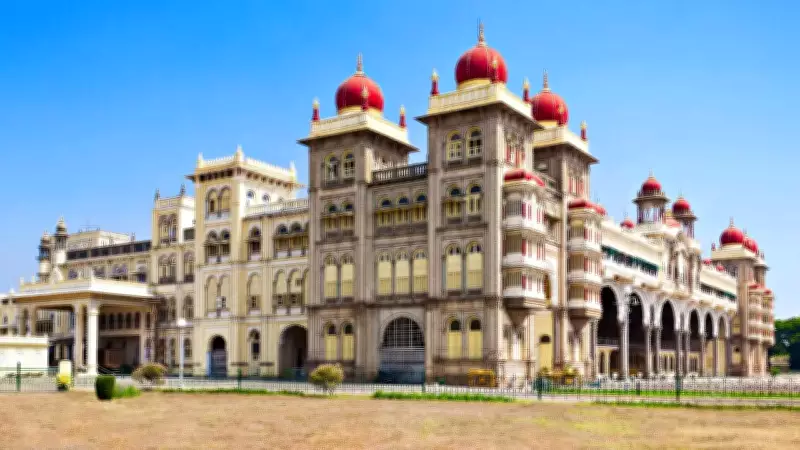
The Mysore Palace, also known as the Amba Vilas Palace, stands as one of India's most celebrated monuments. Located in the heart of Karnataka, this royal residence is renowned for its immense scale, symmetrical design, rich materials, and intricately layered interiors. Originally built for the royal family, its architectural style continues to inspire luxury property designs across India. Below are the key features that make this palace a masterpiece.
Strategic Layout and Urban Placement
Situated centrally in the city of Mysuru, the palace is surrounded by expansive courtyards and meticulously maintained gardens. The layout exudes harmony and proportion, seamlessly integrating the palace with its natural surroundings. This deliberate urban placement not only highlights the palace's grandeur but also ensures a balanced relationship between the built environment and nature.
Indo-Saracenic Architectural Style
The palace is designed in the Indo-Saracenic style, a fusion of Hindu, Mughal, Rajput, and Gothic architectural elements. Its domes, arches, towers, and intricately carved columns create a rich and diverse architectural composition that captivates visitors.

Grand Durbar Hall Design
The Durbar Hall is a standout feature of the palace, celebrated for its grandeur and symmetry. The high ceiling lends a sense of spaciousness, while rows of ornate columns add a rhythmic elegance. The interior design was clearly crafted with ceremonial purposes in mind, enhancing the hall's magnificence.
Intricate Interior Craftsmanship
Inside, the palace is adorned with exquisite craftsmanship, including carved wooden panels, stained glass ceilings, mosaic floors, and painted walls. These elements add vibrant color and texture, reflecting traditional Indian aesthetics and artistic skill.
Use of Premium and Local Materials
Granite, marble, teak wood, and cast iron were used in the palace's construction, ensuring durability and beauty. The natural texture and finish of these materials contribute to the palace's richness and structural integrity.
Lighting and Spatial Ambience
Lighting plays a crucial role in creating the palace's ambience. Natural light filters through windows and corridors, while chandeliers illuminate the interiors. The interplay of light and shadows gives each space a unique character.
Symbol of Heritage Luxury
The Mysore Palace represents heritage luxury, embodying the sophisticated tastes of royal living. Every element—from arches and domes to courtyards and interior designs—contributes to an atmosphere of elegant sophistication. Beyond being a historical monument, it sets a benchmark for contemporary real estate designs that emphasize sustainability, craftsmanship, and cultural values. Heritage monuments like this can guide the integration of luxury and heritage in modern developments.