Five Years After Myanmar Coup: Even Hope Has Become a Risk
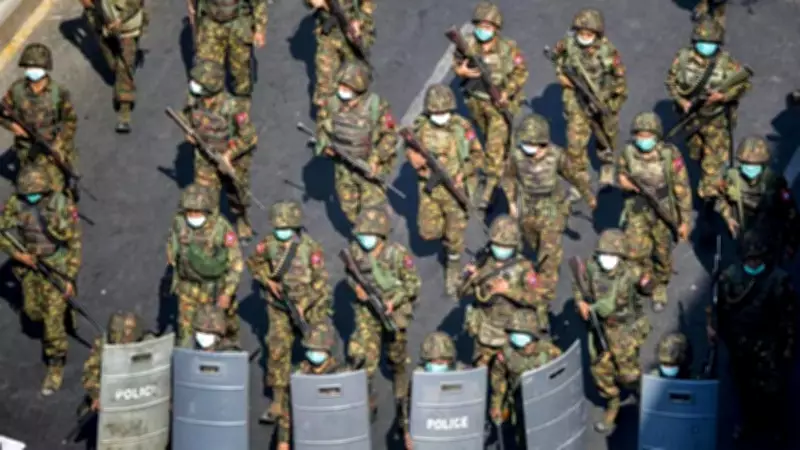
Five years have passed since the military coup in Myanmar, and the situation has deteriorated into a grim reality where even the simple act of hoping for a better future has become a dangerous gamble for the nation's citizens. The initial protests and civil disobedience movements that erupted in 2021 have given way to a protracted and brutal conflict, with the military junta tightening its grip through widespread violence, arbitrary arrests, and systematic repression.
Escalating Violence and Humanitarian Crisis
The military's crackdown has escalated significantly over the past five years, leading to a severe humanitarian crisis. Reports indicate that thousands of civilians have been killed, with many more injured or displaced from their homes. The junta's forces are accused of committing atrocities, including extrajudicial killings, torture, and the targeting of ethnic minorities, which has fueled a complex web of armed resistance across the country.
Economic collapse has compounded the suffering, with inflation soaring, jobs disappearing, and basic services like healthcare and education crumbling. International sanctions and isolation have done little to curb the junta's actions, while humanitarian aid struggles to reach those in need due to access restrictions and ongoing fighting.
Hope as a Perilous Risk
In this environment, hope has transformed from a source of resilience into a perilous risk. Citizens who dare to express optimism or engage in peaceful dissent face immediate retaliation from the authorities. The fear of surveillance, detention, or worse has silenced many, creating a climate of pervasive anxiety and despair. Even private conversations about a return to democracy are fraught with danger, as the junta employs informants and digital monitoring to suppress any signs of opposition.
The psychological toll is immense, with mental health issues on the rise as people grapple with trauma, loss, and the erosion of their futures. For the younger generation, who were at the forefront of the initial protests, the dashed hopes for change have led to a sense of disillusionment and forced many into exile or hiding.
International Response and Regional Implications
The international community's response has been largely ineffective, characterized by condemnation and limited sanctions that have failed to alter the junta's course. Neighboring countries and regional bodies like ASEAN have struggled to mediate, with their efforts often stymied by the military's intransigence and the complexity of the conflict. This inaction has allowed the crisis to fester, with spillover effects including refugee flows and instability in Southeast Asia.
As the conflict enters its sixth year, there are few signs of a peaceful resolution. The military shows no willingness to cede power, while resistance groups remain fragmented but determined. The risk of hope persists, but so does the resilience of Myanmar's people, who continue to navigate a landscape where survival often means suppressing any outward expression of optimism.
In summary, five years after the coup, Myanmar stands as a stark example of how authoritarian rule can extinguish not just freedoms but the very capacity to hope, turning it into a liability in a nation gripped by fear and violence.