India's Bold Scientific Ascent: A 2035 Superpower Blueprint Unveiled on National Science Day
As the nation commemorates National Science Day on February 28, India has laid out a comprehensive and ambitious roadmap aimed at transforming into a global superpower by the year 2035. This strategic vision, announced on a significant Saturday, underscores the country's commitment to leveraging cutting-edge science and technology across multiple high-stakes domains, from space exploration to advanced defense systems.
Space Exploration: Gaganyaan and Beyond
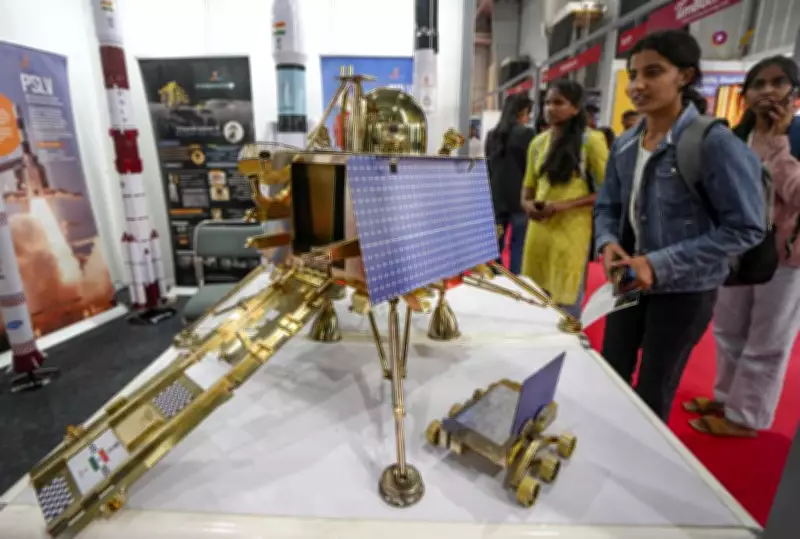
The Indian Space Research Organisation (ISRO) is at the forefront of this transformative journey, with the Gaganyaan mission representing a monumental leap forward. This flagship human spaceflight program aims to send Indian astronauts into orbit, marking a historic milestone in the nation's space endeavors. Beyond Gaganyaan, the roadmap includes the highly anticipated Chandrayaan-4 mission, which is set to build upon the successes of its predecessors by further exploring the lunar surface and enhancing India's capabilities in planetary science. These initiatives are not merely about scientific achievement; they are pivotal steps in establishing India as a dominant force in the global space arena, fostering innovation, and inspiring future generations of scientists and engineers.
Defense and Security: Hypersonic Missile Advancements
In the realm of defense, India is aggressively pursuing the development of hypersonic missiles, a critical component of modern warfare that offers unparalleled speed and precision. These advanced weapons systems, capable of traveling at speeds exceeding Mach 5, are designed to bolster national security and provide a strategic edge in an increasingly complex geopolitical landscape. The integration of such technologies into India's defense arsenal reflects a proactive approach to safeguarding sovereignty while contributing to global stability. This focus on hypersonic capabilities aligns with broader efforts to enhance military readiness and technological self-reliance, ensuring that India remains at the cutting edge of defense innovation.

Interdisciplinary Synergy and Economic Growth
The roadmap emphasizes a holistic approach, where advancements in space and defense are synergized with other scientific disciplines to drive comprehensive national development. Key areas of focus include:
- Renewable Energy: Accelerating research in solar, wind, and other sustainable sources to meet growing energy demands and combat climate change.
- Artificial Intelligence and Robotics: Harnessing AI and automation to boost productivity, improve healthcare, and revolutionize industries.
- Biotechnology and Healthcare: Investing in medical research and biotech innovations to address public health challenges and improve quality of life.
- Infrastructure and Smart Cities: Developing advanced urban solutions and resilient infrastructure to support economic growth and enhance livability.
By fostering collaboration between government agencies, academic institutions, and private sector stakeholders, India aims to create an ecosystem that nurtures innovation and accelerates progress. This interdisciplinary synergy is expected to spur economic growth, create high-skilled jobs, and position India as a leader in the global knowledge economy.
Challenges and the Path Forward
While the vision is bold, it is not without challenges. Achieving superpower status by 2035 will require sustained investment, robust policy frameworks, and a skilled workforce capable of driving technological breakthroughs. Addressing issues such as funding gaps, regulatory hurdles, and international competition will be crucial to realizing this ambitious goal. However, with a strong foundation in scientific research and a culture of innovation, India is well-positioned to overcome these obstacles and emerge as a formidable force on the world stage.

In conclusion, National Science Day serves as a powerful reminder of India's scientific heritage and its future aspirations. The roadmap to 2035, highlighted by missions like Gaganyaan and Chandrayaan-4, alongside advancements in hypersonic missiles, represents a decisive step toward superpower status. As the nation embarks on this transformative journey, it reaffirms its commitment to harnessing science and technology for national prosperity and global leadership.