Malaysia's Forest Treasures: Rare Earth Discovery Sparks Green Tech vs. Conservation Debate
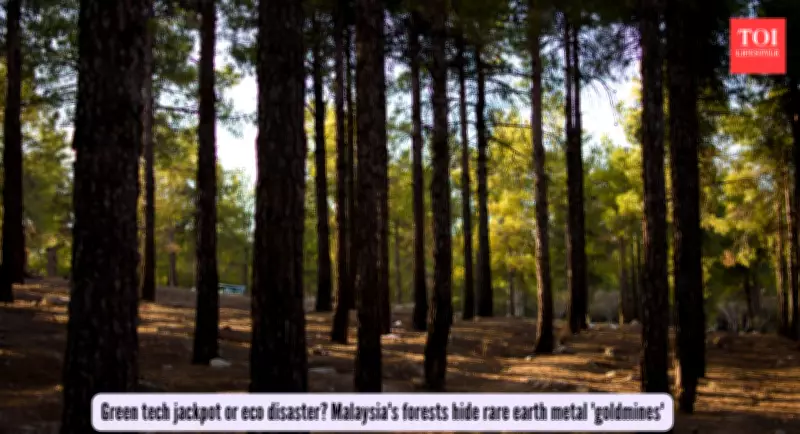
Malaysia's lush, verdant forests have long been celebrated as biodiversity hotspots, teeming with ancient trees and diverse wildlife. However, recent scientific discoveries have revealed another form of wealth hidden beneath these protected landscapes: vast deposits of rare earth elements, the critical minerals powering smartphones, electric vehicles, and wind turbines worldwide.
Scientific Confirmation of Underground Riches
According to analysis from The Asean Frontier, scientists have confirmed that Malaysia's ion-adsorption clays contain extensive non-radioactive rare-earth elements beneath permanent forest reserves. Across Peninsular Malaysia, weathered clay layers under forested areas show significant concentrations of these valuable minerals, creating a geographical overlap with strict conservation zones mapped by the Ministry of Natural Resources and Environmental Sustainability (NRES). This places the country's most promising mineral resources directly within legally protected landscapes, setting the stage for a complex environmental and economic dilemma.
Perak's Pioneering Pilot Project
In Perak state, a pilot mining project has been testing in-situ leaching techniques as a potential solution. This innovative process involves injecting solutions into the ground to extract ions from clays without traditional open-pit digging, producing usable material with reduced surface disruption. The Asean Frontier reports that regulators closely monitored water quality during these operations and found no major contamination, positioning the project as a promising example of cleaner extraction methods.

However, this success has created its own challenges: The positive results have increased pressure to scale operations before Malaysia's midstream processing capacity can catch up. The NRES has implemented a strategic moratorium on raw rare-earth exports effective January 1, 2024, designed to develop local value chains, with reviews scheduled every six months. While officials aim to prevent low-value sales of unprocessed materials, mining experts warn that pausing extraction processes mid-operation could lead to lingering environmental problems.
The Critical Midstream Processing Gap
Malaysia currently faces significant limitations in midstream processing capabilities, particularly in cracking and separation technologies needed to produce high-purity outputs. This gap creates dependence on China's dominant position in the global rare earth processing market. Lynas, the local non-China processor, has received an extension until March 2026 to operate, serving as a crucial outlet but potentially creating new dependencies if domestic capacity doesn't develop sufficiently.
Environmental Risks and Conservation Concerns
The discovery that most rare earth potential lies within protected reserves presents substantial environmental challenges. While pilot projects explore exceptions and low-impact methods, there are growing concerns about illegal operations copying extraction techniques without proper safeguards. Current laws require immediate reporting of radioactive materials, but enforcement remains challenging in remote forest areas.
The fundamental question remains: Can Malaysia balance its potential role as a green technology mineral supplier with its responsibility to protect some of the world's most biodiverse forests? The answer will require careful navigation of technological innovation, environmental protection, and economic development priorities in the coming years.